Azzjoni industrijali
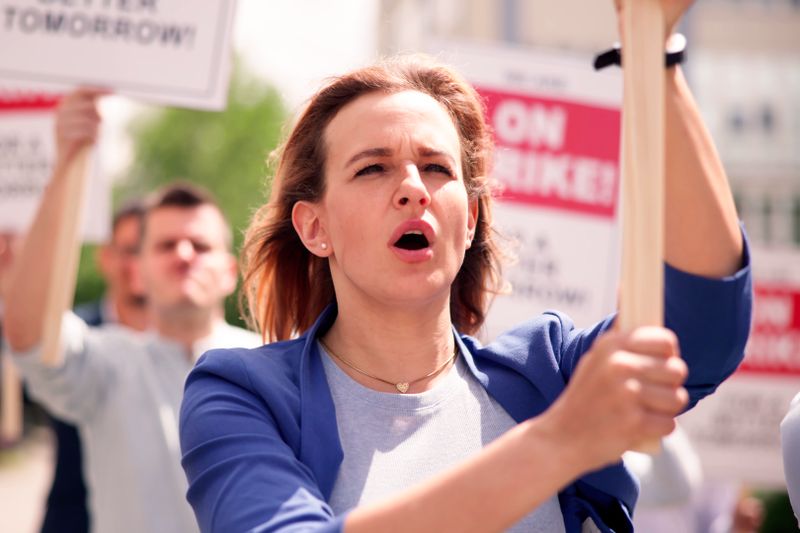
L-azzjoni industrijali hija waħda mill-mezzi fundamentali disponibbli għall-ħaddiema u l-organizzazzjonijiet tagħhom biex isolvu t-tilwim tax-xogħol u jippromwovu l-interessi ekonomiċi u soċjali tagħhom. Jista 'jieħu ħafna forom, mill-irtirar sħiħ tax-xogħol għal perjodu indefinit għal forom aktar ristretti ta' azzjoni kollettiva li fihom m'hemm l-ebda waqfien tax-xogħol. Id-dritt għall-istrajk huwa rikonoxxut b'mod espliċitu fil-kostituzzjonijiet u/jew fil-liġijiet ta' ħafna pajjiżi. Fil-livell tal-UE, id-dritt għall-istrajk huwa minqux fl-Artikolu 28 tal-Karta tad-Drittijiet Fundamentali tal-Unjoni Ewropea. Id-dritt għal azzjoni kollettiva mill-imsieħba soċjali huwa inkluż ukoll fil-Pilastru Ewropew tad-Drittijiet Soċjali. Il-Eurofound bħalissa qed tesplora l-fattibbiltà ta' monitoraġġ tal-azzjoni industrijali.
Ġdid u li ġej
Sib l-aktar kontenut reċenti dwar dan is-suġġett hawn taħt.
29 July 2024
3 November 2022
19 May 2022
This publication consists of individual country reports on working life during 2021 for 28 countries – the 27 EU Member States and Norway. The country reports summarise evidence on the impact of the COVID-19 pandemic on working life based on national research and survey results during 2021. They outline the policy responses of governments and social partners in their efforts to cushion the socioeconomic effects and include a focus on policy areas related to adapting to the pandemic and the return to work. This includes in particular a focus on new health and safety arrangements at work, new work arrangements, policies to address labour shortages and wages and wage setting. The reports also explore the impact of the pandemic on social dialogue, collective bargaining and industrial action.
Please note that there is no consolidated report on working life in the EU in 2021.
Punti ewlenin għal Azzjoni industrijali
Din hija għażla tal-aktar riżultati importanti għal dan is-suġġett.
7 February 2022
Collective labour disputes in the EU
In recent years, apart from some intermittent spikes, there has been a general decrease in industrial action across the EU Member States. During the COVID-19 pandemic, this trend has continued, with the most significant labour disputes not surprisingly occurring in the human health and social services sector, the education sector and the transport and logistics sector. This report analyses the data collected in 2018–2019 by Eurofound during the piloting of its Industrial Action Monitor (IAM) database. Using cluster analysis, the research classified industrial action in Europe into five categories: national disputes of interest and rights, sometimes involving different forms of employment; extended disputes about collective pay agreements; localised disputes about employment problems, working time and restructuring, with short work stoppages; localised disputes about workers’ rights and grievances over company policies; and disputes concerning public policies.
In terms of specific issues, problems over pay accounted for over 40% of disputes, employment problems accounted for 20%, other aspects of working conditions accounted for 16% and protests accounted for 13%. Noting the lack of complete data on industrial action in Europe, the analysis points to the need for a systematic collection of empirical evidence in the future to provide a sound basis for comparative analysis.
20 September 2023
Database of wages, working time and collective disputes
8 April 2021
Relative calm on the industrial action front in 2020
Esperti dwar Azzjoni industrijali
Ir-riċerkaturi tal-Eurofound jipprovdu għarfien espert u jistgħu jiġu kkuntattjati għal mistoqsijiet jew mistoqsijiet mill-midja.
Mária Sedláková
Research officerMária Sedláková hija uffiċjal tar-riċerka fl-unità tal-Ħajja tax-Xogħol fil-Eurofound. Hija responsabbli għall-abbozzar ta' rapporti ġenerali għall-istudji tar-rappreżentanza settorjali, il-ġestjoni u l-kontroll tal-kwalità tar-rappurtar nazzjonali dwar ir-relazzjonijiet industrijali, id-djalogu soċjali u l-ħajja tax-xogħol, u l-iżvilupp ta' proġett dwar in-negozjar kollettiv lil hinn mill-paga. Qabel ma ngħaqdet mal-Eurofound, hija ħadmet bħala uffiċjal tar-riċerka teknika fi ħdan id-Dipartiment tal-Governanza u t-Tripartiżmu fl-Organizzazzjoni Internazzjonali tax-Xogħol f'Ġinevra fuq ir-Rapport Ewlieni tad-Djalogu Soċjali 2022. Hija ħadmet ukoll bħala riċerkatriċi fl-Istitut tal-Istudji tax-Xogħol tal-Ewropa Ċentrali fi Bratislava (2013–2020), fejn tiffoka fuq id-djalogu soċjali, in-negozjar kollettiv, il-kundizzjonijiet tax-xogħol u s-soċjoloġija tax-xogħol. Maria għandha MA fix-Xjenza Politika bi speċjalizzazzjoni fil-Politika Ewropea Komparattiva mill-Università tal-Ewropa Ċentrali.
Christine Aumayr-Pintar
Senior research managerChristine Aumayr-Pintar hija maniġer anzjan tar-riċerka fl-unità tal-Ħajja tax-Xogħol fil-Eurofound. Hija tikkoordina r-riċerka tal-Eurofound dwar id-djalogu soċjali u r-relazzjonijiet industrijali u tissorvelja n-Netwerk tal-Korrispondenti tal-Eurofound (NEC). L-għarfien espert primarju tagħha fir-riċerka – avviċinat minn perspettiva komparattiva madwar l-UE – jiffoka fuq il-pagi minimi, il-paga nnegozjata b'mod kollettiv u t-trasparenza tal-pagi bejn is-sessi. Qabel ma ngħaqdet mal-Eurofound fl-2009, hija kienet riċerkatriċi tas-swieq tax-xogħol u tal-ekonomija reġjonali f'Joanneum Research fl-Awstrija. Hija kisbet Master's degree fl-Ekonomija u PhD fix-Xjenza Soċjali/Ekonomija wara li studjat l-ekonomija fi Graz, Vjenna u Jönköping.
Il-kontenut kollu għal Azzjoni industrijali
Din it-taqsima tipprovdi aċċess għall-kontenut kollu li ġie ppubblikat dwar is-suġġett.


