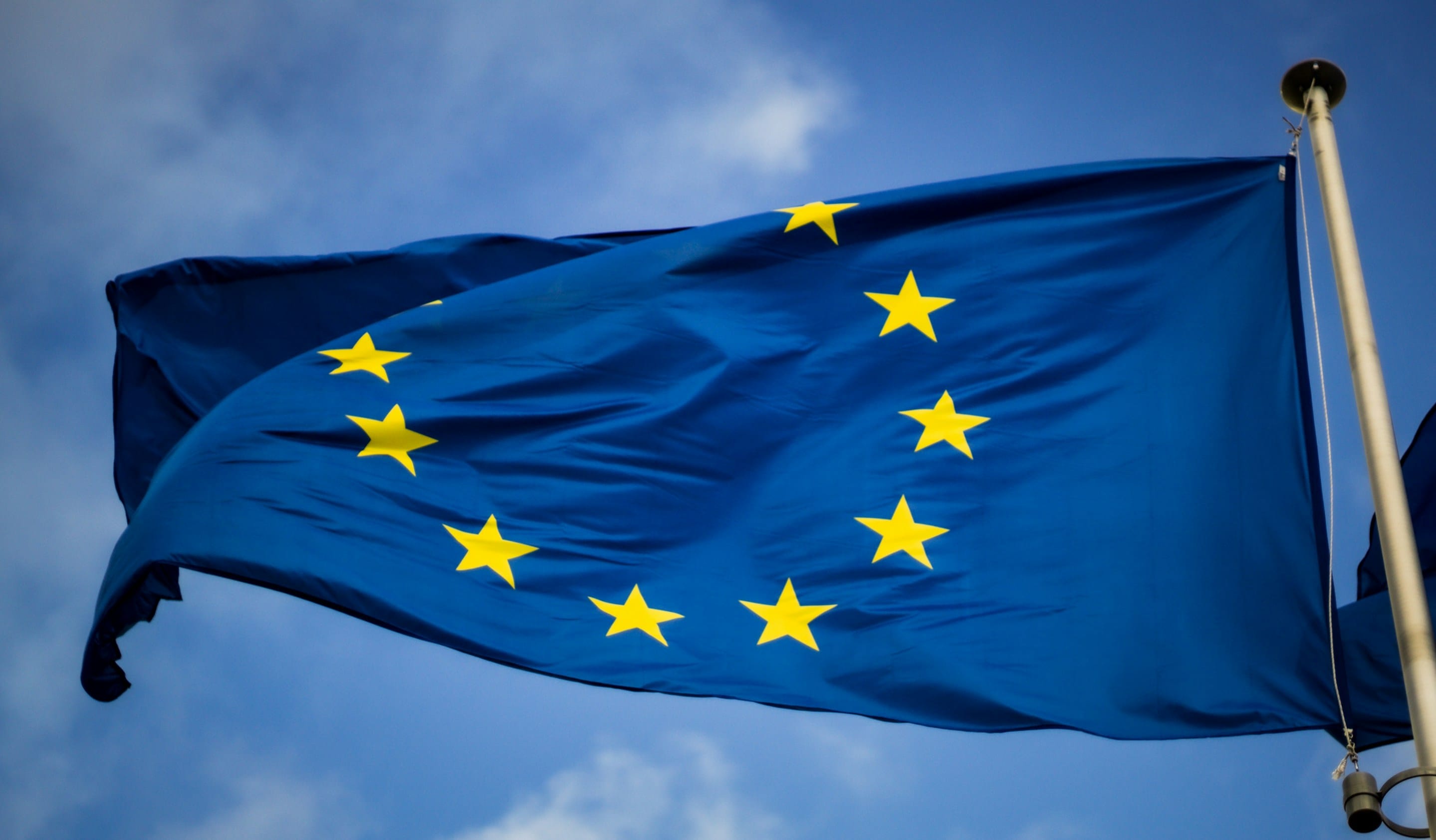
Η έρευνα του Eurofound για την ποιότητα ζωής στην Ευρώπη (EQLS) καταγράφει τις συνθήκες διαβίωσης και την κοινωνική κατάσταση των ανθρώπων και διερευνά ζητήματα σχετικά με τη ζωή των ευρωπαίων πολιτών.
European Quality of Life Survey 2003
The first European Quality of Life Survey (EQLS) was carried out in 2003. The survey examined quality of life in core life domains covering a range of issues, such as employment, income, education, housing, family, health, work-life balance, life satisfaction and perceived quality of society. A number of reports on the findings of the EQLS 2003 have been published.
The survey was carried out in the summer of 2003.
Over 25,000 interviews were conducted in 28 countries, including the EU25 and three candidate countries, Bulgaria, Romania and Turkey.
Interviews were conducted face to face.
The master questionnaire was translated into 28 different languages.
A dashboard for this survey round is currently not available. Please refer to newer rounds of the survey to access data visualisations.
Much of Eurofound's research in the run-up to the 2024 EU enlargement focused on documenting and better understanding the situation in the new European Union. One of the most important such initiatives was the first-ever European Quality of Life Survey (EQLS). The basic findings confirm the widespread perception of general economic and social divides between the former EU15 and the acceding and candidate countries. The differences between the 10 new Member States and the three candidate countries in areas such as housing and education are also underlined.
Living standards are markedly lower in the NMS than in the former EU15.
NMS and CC3 citizens are generally less satisfied with their quality of life than those in the EU15.
Housing conditions are worse in the NMS and the CC3 than in the EU15.
Workers in the NMS and candidate countries report worse working conditions.
Citizens of the NMS and the CC3 report poorer health and less satisfaction with health services.
The results also provide an insight into areas which are often overlooked – areas where the new Member States may boast an advantage and where there is a common pattern across the enlarged Europe.
Two thirds of citizens across 28 countries are optimistic about the future.
Families and friends provide the main social support for up to 95% of citizens across the EU25/CC3.
Home ownership is more common in the NMS/CC3 (75%) than in the EU15 (60%).
Female employment rates are higher in the NMS and CC3.
Rates of completion of secondary education are higher in the NMS than in the EU15.
Rates of completion of third-level education are similar across the EU25.
This section provides further information targeted in particular at researchers.
The following publications were produced in relation to the EQLS 2003.
Methodology
The first EQLS represents an ambitious attempt to explore quality of life in a wide range of countries. It is a major source of information of the social situation in each country, highlighting the challenges facing an enlarged EU. The strength of the survey is that it provides a synthesis of information on the main aspects of quality of life, both objective and subjective.
Contractor
Intomart GfK and the Berlin Social Science Center (WZB)
Coverage
25 EU Member States and Bulgaria, Romania and Turkey
Fieldwork period
Summer of 2003
Target population
General adult population (18 years and older)
Sample
The basic sampling design used in all countries was a multi-stage, random (probability) one. Firstly, sampling points were drawn after stratification by region and degree of urbanisation.
Sample size
Over 25,000 interviews were completed. Around 1,000 persons aged 18 and over were interviewed in each country, except for the ‘smaller’ countries – Cyprus, Estonia, Luxembourg, Malta and Slovenia – where around 600 interviews were conducted.
Type
Face-to-face interviewing
Quality assurance
After data collection, the data were checked thoroughly by the Social Science Center (WZB) with the help of national experts.
Questionnaire
The questionnaire was developed by a research consortium and covers a broad spectrum of life domains with an emphasis on employment and working conditions, housing, family, social and political participation, quality of society, and subjective well-being.
The questionnaire is available in the Annex to the overview report.
Έκθεση έρευνας: Quality of life in Europe
Eurofound experts
You can contact the following experts for questions on the survey.
Daphne Ahrendt
Senior research managerΗ Daphne Ahrendt είναι ανώτερη διευθύντρια έρευνας στη μονάδα κοινωνικής πολιτικής του Eurofound. Από την ένταξή της στο Eurofound το 2013, το έργο της έχει καλύψει ευρύ φάσμα τομέων κοινωνικής πολιτικής. Επί του παρόντος, συντονίζει τη δραστηριότητα διαχείρισης και ανάπτυξης ερευνών του Eurofound και ηγείται της προετοιμασίας και ανάλυσης των ηλεκτρονικών ερευνών COVID-19. Η Δάφνη έχει περισσότερα από 20 χρόνια εμπειρίας ως ερευνήτρια σε διεθνείς έρευνες, έχοντας προηγουμένως εργαστεί στη Μονάδα Ευρωβαρόμετρου της Ευρωπαϊκής Επιτροπής και στο Εθνικό Κέντρο Κοινωνικών Ερευνών στο Λονδίνο, όπου εργάστηκε στο Διεθνές Πρόγραμμα Κοινωνικών Ερευνών. Η Δάφνη είναι κάτοχος μεταπτυχιακού τίτλου στις Πολιτικές Ποινικής Δικαιοσύνης από το London School of Economics και πτυχίου Πολιτικών Επιστημών από το Κρατικό Πανεπιστήμιο του Σαν Φρανσίσκο.
Eszter Sándor
Senior research managerΗ Eszter Sandor είναι ανώτερη διευθύντρια έρευνας στη μονάδα κοινωνικής πολιτικής του Eurofound. Έχει εμπειρία στη μεθοδολογία ερευνών και τη στατιστική ανάλυση, έχει εργαστεί για την προετοιμασία και διαχείριση της Ευρωπαϊκής Έρευνας για την Ποιότητα Ζωής και πιο πρόσφατα της ηλεκτρονικής έρευνας για τη διαβίωση, την εργασία και τη νόσο COVID-19, και είναι υπεύθυνη για την ποιότητα των συνόλων δεδομένων. Οι τομείς έρευνάς της είναι η ευημερία των νέων και η ποιότητα ζωής σε νοικοκυριά και οικογένειες, συμπεριλαμβανομένης της υποκειμενικής ευημερίας, της ισορροπίας μεταξύ επαγγελματικής και προσωπικής ζωής και των συνθηκών διαβίωσης. Έχει εργαστεί στο παρελθόν ως οικονομικός σύμβουλος στη Σκωτία εστιάζοντας σε εκτιμήσεις οικονομικών επιπτώσεων, αξιολογήσεις και ανάλυση εισροών-εκροών. Είναι κάτοχος μεταπτυχιακού τίτλου στα Οικονομικά και τις Διεθνείς Σχέσεις από το Πανεπιστήμιο Corvinus της Βουδαπέστης.


