Ação industrial
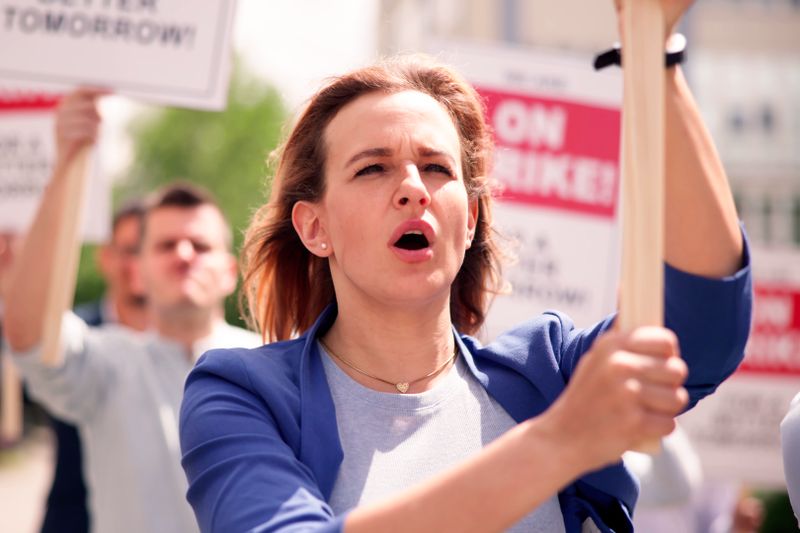
A ação industrial é um dos meios fundamentais de que os trabalhadores e suas organizações dispõem para resolver disputas trabalhistas e promover seus interesses econômicos e sociais. Pode assumir muitas formas, desde a retirada completa do trabalho por um período indefinido até formas mais restritas de ação coletiva nas quais não há cessação do trabalho. O direito de greve é explicitamente reconhecido nas constituições e/ou leis de muitos países. A nível da UE, o direito à greve está consagrado no artigo 28.º da Carta dos Direitos Fundamentais da União Europeia. O direito à ação coletiva dos parceiros sociais está igualmente incluído no Pilar Europeu dos Direitos Sociais. A Eurofound está atualmente a explorar a viabilidade de um monitor da ação laboral.
Novos e futuros
Esta secção contém informações sobre publicações novas e futuras, eventos e outras actividades.
29 July 2024
3 November 2022
19 May 2022
This publication consists of individual country reports on working life during 2021 for 28 countries – the 27 EU Member States and Norway. The country reports summarise evidence on the impact of the COVID-19 pandemic on working life based on national research and survey results during 2021. They outline the policy responses of governments and social partners in their efforts to cushion the socioeconomic effects and include a focus on policy areas related to adapting to the pandemic and the return to work. This includes in particular a focus on new health and safety arrangements at work, new work arrangements, policies to address labour shortages and wages and wage setting. The reports also explore the impact of the pandemic on social dialogue, collective bargaining and industrial action.
Please note that there is no consolidated report on working life in the EU in 2021.
Destaques para Ação industrial
Esta é uma seleção das saídas mais importantes para este tópico.
7 February 2022
Collective labour disputes in the EU
In recent years, apart from some intermittent spikes, there has been a general decrease in industrial action across the EU Member States. During the COVID-19 pandemic, this trend has continued, with the most significant labour disputes not surprisingly occurring in the human health and social services sector, the education sector and the transport and logistics sector. This report analyses the data collected in 2018–2019 by Eurofound during the piloting of its Industrial Action Monitor (IAM) database. Using cluster analysis, the research classified industrial action in Europe into five categories: national disputes of interest and rights, sometimes involving different forms of employment; extended disputes about collective pay agreements; localised disputes about employment problems, working time and restructuring, with short work stoppages; localised disputes about workers’ rights and grievances over company policies; and disputes concerning public policies.
In terms of specific issues, problems over pay accounted for over 40% of disputes, employment problems accounted for 20%, other aspects of working conditions accounted for 16% and protests accounted for 13%. Noting the lack of complete data on industrial action in Europe, the analysis points to the need for a systematic collection of empirical evidence in the future to provide a sound basis for comparative analysis.
20 September 2023
Database of wages, working time and collective disputes
8 April 2021
Relative calm on the industrial action front in 2020
Especialistas da Ação industrial
A Eurofound tem especialistas em uma ampla variedade de tópicos relacionados ao trabalho e à vida na Europa. Eles estão disponíveis para comentar sobre a pesquisa da Eurofound, bem como para fornecer insights sobre uma ampla gama de questões de política social e de emprego.
Mária Sedláková
Research officerMária Sedláková é investigadora na unidade de Vida Profissional da Eurofound. É responsável pela elaboração de relatórios de síntese para estudos de representatividade setorial, gestão e controlo de qualidade de relatórios nacionais sobre relações laborais, diálogo social e vida profissional, e desenvolvimento de um projeto sobre negociação coletiva para além da remuneração. Antes de ingressar na Eurofound, trabalhou como investigadora técnica no Departamento de Governação e Tripartismo da Organização Internacional do Trabalho, em Genebra, no Relatório Emblemático do Diálogo Social de 2022. Trabalhou também como investigadora no Instituto de Estudos do Trabalho da Europa Central em Bratislava (2013–2020), com foco no diálogo social, negociação coletiva, condições de trabalho e sociologia do trabalho. Maria é mestre em Ciência Política com especialização em Política Europeia Comparada pela Universidade da Europa Central.
Christine Aumayr-Pintar
Senior research managerChristine Aumayr-Pintar é gestora sénior de investigação na unidade de Vida Profissional da Eurofound. Coordena a investigação da Eurofound sobre o diálogo social e as relações laborais e supervisiona a Rede de Correspondentes da Eurofound (NEC). Sua principal experiência em pesquisa – abordada de um ponto de vista comparativo em toda a UE – centra-se em salários mínimos, remuneração negociada coletivamente e transparência salarial entre homens e mulheres. Antes de ingressar na Eurofound em 2009, foi investigadora de mercados de trabalho e economia regional na Joanneum Research na Áustria. Ela obteve um mestrado em Economia e um doutorado em Ciências Sociais/Economia, tendo estudado economia em Graz, Viena e Jönköping.
Todo o conteúdo para Ação industrial
Esta secção fornece acesso a todo o conteúdo publicado sobre este tópico.


