Work-life balance
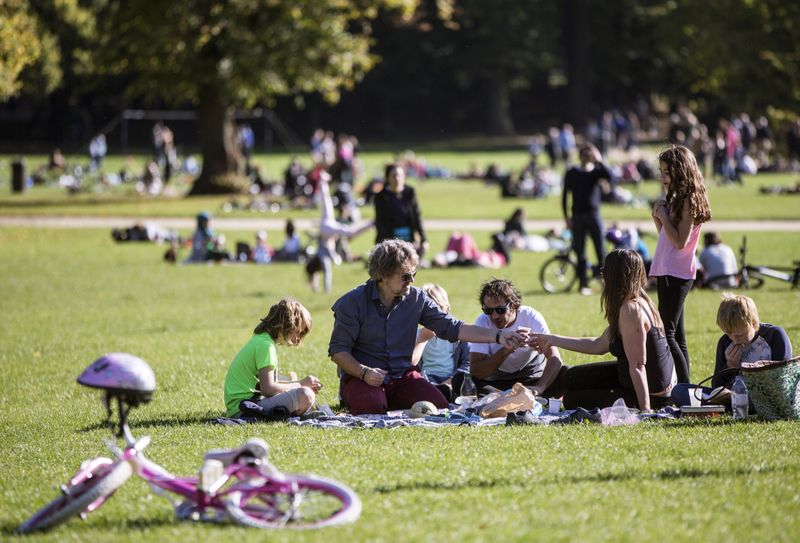
Work–life balance refers to the level of prioritisation between an individual’s work and personal life. A good work–life balance is achieved when an individual’s right to a fulfilled life inside and outside paid work is accepted and respected as the norm – to the mutual benefit of the individual, business and society. Enabling a better work–life balance for workers across the life course has been an EU policy goal for many years as it is central to ensuring that work is sustainable for all.
Nua agus le teacht
Faigh an t-ábhar is déanaí ar an ábhar seo thíos.
14 April 2026
14 April 2026
11 September 2025
Maidir leis an ábhar seo Work-life balance
Tuilleadh eolais faoin ábhar seo agus a ábharthacht do cheapadh beartas an AE.
Buaicphointí le haghaidh Work-life balance
Is rogha é seo de na torthaí is tábhachtaí don ábhar seo.
13 January 2025
Quality of life in the EU in 2024: Results from the Living and Working in the EU e-survey
Eurofound’s e-survey captures the situation of European respondents and their post-pandemic concerns. This factsheet outlines the most recent data on the main challenges faced by Europeans, with a particular emphasis on the rising cost of living, health and mental health, access to healthcare services, work–life balance, and changes in telework opportunities. View the publication or read the findings in digital format via the related content.
9 September 2021
Right to disconnect: Exploring company practices
Digital technologies have made it possible for many workers to carry out their work at any time and anywhere, with consequent advantages and disadvantages. Eurofound data show that teleworkers are twice as likely to exceed the 48-hour working time limit, take insufficient rest and work in their free time, with knock-on effects on their physical and mental health. To address this issue, there have been calls for the ‘right to disconnect’. This report is based on case studies that chart the implementation and impact of the right to disconnect at workplace level. It builds on previous Eurofound research that shows an increase in collective agreements providing for a right to disconnect in countries that have enshrined this right in their legislation. With the exponential growth in teleworking brought about by the COVID-19 pandemic, the importance of striking a better balance between the opportunities and the challenges associated with teleworking and ICT-based flexible working has become more relevant than ever before.
2 July 2020
Regulations to address work–life balance in digital flexible working arrangements
Developments in information and communication technology (ICT) have been among the key drivers of change in working life over the past two decades. Specifically, telework and ICT-based mobile work (TICTM) exemplifies how digital technology has led to more flexible workplace and working time practices. However, the ability to work anywhere and at any time can lead to greater work intensification, competition and work-on-demand. If this is not explicitly addressed, it threatens to override the advantages that ICT-based flexible working brings to work–life balance. As part of Eurofound’s extensive research into the impact of TICTM on working conditions and on work–life balance, this report aims to provide policymakers with ways to address new challenges in the world of work and to serve as a reference for future initiatives in relation to digitalisation, working time and work–life balance.
2 March 2020
Gender equality at work
Gender inequality at work persists across Europe, despite the long standing attention paid and efforts made to tackle it. This Eurofound report presents a closer look at women’s and men’s working conditions, using data from Eurofound’s European Working Conditions Survey (EWCS) and complementing previous Eurofound research on, among other things, working time patterns, work–life balance and workers’ health. Beyond the general differences in the labour market, it highlights many important gaps in men’s and women’s working conditions and job quality which require specific attention. According to the EWCS data, the reduction of gender gaps in those areas showing improvement over the last 5 to 10 years remains limited. European and national strategies aimed at achieving job quality for all, that seek to mainstream gender equality, could help address persistent inequalities between men and women.
16 January 2020
Telework and ICT-based mobile work: Flexible working in the digital age
Advances in ICT have opened the door to new ways of organising work. We are shifting from a regular, bureaucratic and ‘factory-based’ working time pattern towards a more flexible model of work. Telework and ICT-based mobile work (TICTM) has emerged in this transition, giving workers and employers the ability to adapt the time and location of work to their needs. Despite the flexibility and higher level of worker autonomy inherent in TICTM, there are risks that this work arrangement leads to the deterioration of work–life balance, higher stress levels and failing worker health. This report analyses the employment and working conditions of workers with TICTM arrangements, focusing on how it affects their work–life balance, health, performance and job prospects. While policymakers in many EU countries are debating TICTM and its implications, the study finds that only a few have implemented new regulations to prevent TICTM from having a negative impact on the well-being of workers.
7 February 2019
Parental and paternity leave – Uptake by fathers
In the context of ongoing negotiations at EU level on adopting a work–life balance package for families and caregivers, Eurofound was requested by the European Commission to provide an update of the available data regarding paternity and parental leave for fathers. This report presents the currently available national statistics on the uptake of family-related leave by fathers over time across the EU28 and Norway, based on information compiled by the Network of Eurofound Correspondents. It gives a comparative overview of the main features of the various leave arrangements available for fathers, including information on duration, compensation, eligibility and the number of beneficiaries captured in the data. Despite the unevenness and lack of coherent statistics, the report concludes that in several Member States progress has been made in increasing the number and share of fathers who are taking parental or paternity leave.
Saineolaithe maidir le Work-life balance
Soláthraíonn taighdeoirí Eurofound léargas saineolaithe agus is féidir teagmháil a dhéanamh leo le haghaidh ceisteanna nó fiosrúcháin ó na meáin.
Jorge Cabrita
Senior research managerIs bainisteoir taighde sinsearach é Jorge Cabrita san aonad Saol Oibre. Tá sé freagrach as taighde ar fud na hEorpa a fhoirmiú, a chomhordú agus a bhainistiú, agus as scaipeadh torthaí i réimsí na ndálaí oibre agus an chaidrimh thionsclaíoch a chur chun cinn. I measc na bpríomhréimsí spéise taighde atá aige tá dálaí oibre agus cáilíocht an phoist, am oibre agus cothromaíocht oibre agus saoil, sláinte agus folláine oibrithe, comhionannas inscne agus tionchair shocheacnamaíocha an aistrithe chuig geilleagar neodrach ó thaobh na haeráide de. Tá sé i gceannas ar thaighde faoi láthair ar fhorbairtí ama oibre agus ar idirphlé sóisialta agus cómhargáil le linn phaindéim COVID-19. Roimhe sin, d'oibrigh sé mar thaighdeoir ag an Ionad Staidéir um Idirghabháil Shóisialta agus ag an Ionad Taighde ar Gheilleagar na Portaingéile i Scoil Eacnamaíochta Liospóin, agus mar oiliúnóir agus mar chomhairleoir i réimsí na bainistíochta straitéisí, na cumarsáide eagraíochta, na ceannaireachta agus na tógála foirne. Tá BSc san Eacnamaíocht agus MSc aige i gCórais Soch-Eagrúcháin Gníomhaíochta Eacnamaíochta ó Scoil Eacnamaíochta Liospóin.
An t-ábhar ar fad le haghaidh Work-life balance
Tugann an rannán seo rochtain ar an ábhar ar fad a foilsíodh faoin ábhar.