Organizacija dela
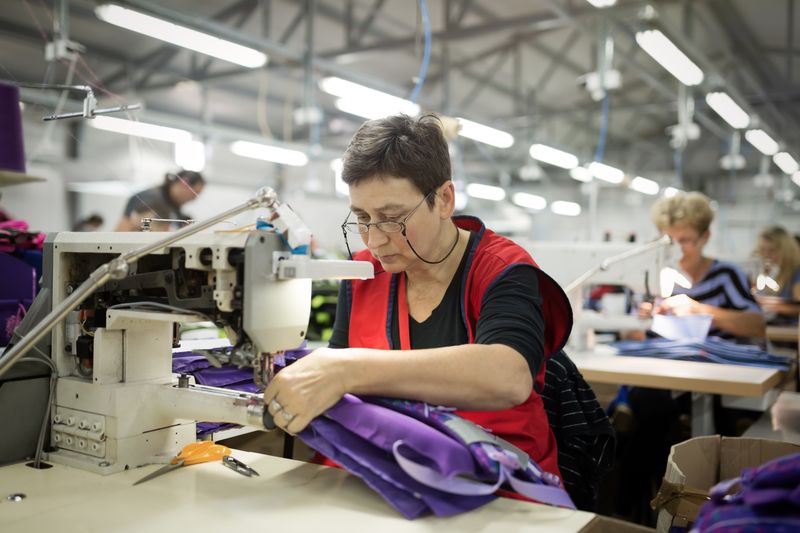
Pri organizaciji dela gre za delitev dela, usklajevanje in nadzor dela: kako je delo razdeljeno na delovne naloge, združevanje nalog v delovna mesta in naloge, soodvisnosti med delavci ter kako se delo usklajuje in nadzoruje za izpolnjevanje ciljev organizacije. Zajema opravljene naloge, kdo jih opravlja in kako se izvajajo v procesu izdelave izdelka ali zagotavljanja storitve. Organizacija dela se torej nanaša na načrtovanje, organizacijo in vodenje dela v podjetjih ter na odločitve o vrsti vidikov, kot so delovni procesi, zasnova delovnih mest, odgovornosti, dodeljevanje nalog, načrtovanje dela, delovni tempo, pravila in postopki ter postopki odločanja.
Novo in prihajajoče
Najnovejše vsebine na to temo so navedene spodaj.
11 November 2025
6 October 2025
May 2026
As the digital revolution unfolds, the rapid advancement of AI and algorithmic management technologies is poised to profoundly transform the world of work and employment. Building on Eurofound's established conceptual framework, which identifies automation, digitisation and platforms as key drivers of change, this research paper explores AI and algorithmic management as transformative forces shaping the future of work. Drawing on two extensive literature reviews, this research examines the far-reaching implications of AI and algorithmic management on work and employment.
O tej temi Organizacija dela
Izvedite več o tej temi in njenem pomenu za oblikovanje politik EU.
Ključni poudarki za Organizacija dela
To je izbor najpomembnejših ugotovitev v zvezi s to temo.
25 May 2023
Hybrid work in Europe: Concept and practice
The term ‘hybrid work’ was popularised with the upsurge of telework during the COVID-19 pandemic, when companies and employees started to discuss ways of organising work after the crisis. The term has been increasingly used to refer to situations in which (teleworkable) work is carried out from two sites: at the usual place of work (normally the employer’s premises) and from home (as experienced during the pandemic) or other locations. However, the concept of hybrid work is still fuzzy and various meanings are attributed to it. This report aims to bring clarity to this concept by exploring the available information from two main sources: recent literature and contributions provided by the Network of Eurofound Correspondents from across the European Union. It summarises the main debates around hybrid work in the Member States and shows how hybrid work has been implemented in practice across Europe. The main hindrances, challenges, benefits and opportunities of hybrid work are also discussed.
9 December 2021
Business not as usual: How EU companies adapted to the COVID-19 pandemic
This report aims to support European businesses in navigating the challenges of the COVID-19 pandemic. The focus is on workplace practices and features that have helped establishments across the EU to develop operational resilience while keeping employees and customers safe. The report investigates how EU establishments initially reacted to the external shock brought about by the outbreak of the pandemic and how they subsequently adapted their workplaces. It also explores the impact of the pandemic on the health and well-being of workers and how the COVID-19 outbreak and subsequent disruptions affected business operations and work organisation.
24 October 2021
Digitisation in the workplace
Research into the transformative potential of the digital revolution tends to take a quantitative approach in an attempt to monitor changes in employment levels due to digitalisation. The fear of potential job losses and negative disruption brought about by digital technologies has permeated the policy debate on digitalisation. In contrast, this report, based on case study research, takes a more qualitative approach to exploring the impact of selected digital technologies (internet of things, 3D printing, and virtual and augmented reality) in the workplace. While digital technologies can bring many opportunities and have been shown to be beneficial for both workers and organisations, there is a need to put safeguards in place to ensure employee data protection and privacy. A well-functioning social dialogue is also key to reaping the benefits of digital technologies and preventing – or minimising – any negative outcomes.
26 February 2021
Working conditions and sustainable work: An analysis using the job quality framework
This flagship report summarises the key findings of Eurofound’s research on working conditions conducted over the programming period 2017–2020. It maps the progress achieved since 2000 in improving working conditions and examines whether all workers have benefited equally from positive change. It highlights which groups are the most at risk of experiencing poor working conditions and being left behind. Given the changes in the world of work, emerging challenges for good job quality are identified. The report also provides evidence for measures that could lead to the further improvement of work and the achievement of fair working conditions for all in the EU. The analysis shows that, overall, job quality in the EU is improving, if slowly. Not all workers are benefiting to the same extent, however. Furthermore, gender, age and contractual status have a significant bearing on a person’s working conditions. And while digitalisation helps to address some job quality issues, it also creates new challenges. The COVID-19 pandemic has exacerbated trends, reinforcing concerns and highlighting the importance of achieving job quality for all.
12 October 2020
European Company Survey 2019 - Workplace practices unlocking employee potential
This report is based on the fourth edition of the European Company Survey (ECS), which was carried out jointly by Eurofound and Cedefop in 2019. It describes a wide range of practices and strategies implemented by European companies in terms of work organisation, human resource management, skills use and skills development, and employee voice. The report shows how these practices are combined and how the resulting ‘bundles of practices’ are associated with two outcomes beneficial to employees and employers: workplace well-being and establishment performance.
The analysis finds that the establishments that are most likely to generate this win–win outcome are those that combine a high degree of worker autonomy, a balanced motivational strategy, a comprehensive training and learning strategy, and high levels of direct employee involvement in decision-making, as well as offering managerial support for these practices. To boost the adoption of employee-oriented practices – particularly in relation to autonomy, skills and employee involvement – managers should be offered appropriate support, as they play a key role in the decision to initiate workplace change. They are also crucial to its success, as they must continuously support the workplace practices implemented.
6 July 2020
How does employee involvement in decision-making benefit organisations?
How do organisations get the best out of their employees? Research on human resource management has found that a key practice is employee involvement: enabling employees to make decisions on their own work and to contribute to organisational decision-making. A high degree of employee involvement creates work environments that are highly motivational and that emphasise skill development. And this is the type of work environment that organisations need to meet the demands for innovation and adaptability to technological change in a knowledge-driven economy. This policy brief examines the empirical evidence that workplaces where employee involvement is high are more successful in developing the capacity for high performance in workers than workplaces with lower levels of involvement. It examines the influence of work organisation on two factors contributing to performance: work engagement and skill development.
Strokovnjaki o Organizacija dela
Raziskovalci agencije Eurofound zagotavljajo strokovno znanje in jih je mogoče kontaktirati za vprašanja ali poizvedbe medijev.
Gijs van Houten
Senior research managerGijs van Houten je višji vodja raziskav v enoti za zaposlovanje pri Eurofoundu. Ima posebno strokovno znanje na področju metodologije mednacionalnih raziskav in analize praks na delovnem mestu in organizacijskih strategij. Vodi Eurofoundovo projektno skupino za zbiranje podatkov ter je odgovoren za zasnovo in metodologijo evropske raziskave o delovnih razmerah za leto 2024, ki bo ključni korak pri zagotavljanju prihodnjih raziskav Eurofounda. Preden se je leta 2010 pridružil Eurofoundu, je delal na Nizozemskem inštitutu za družbene raziskave (SCP). Gijs je leta 2016 preživel eno leto v raziskovalnem centru Pew v Washingtonu. Magistriral je iz sociologije na Univerzi Radboud v Nijmegenu in doktoriral iz družboslovja na Univerzi v Utrechtu.
Vse vsebine za Organizacija dela
Ta razdelek omogoča dostop do vseh vsebin, ki so bile objavljene na to temo.


