Condiciones laborales
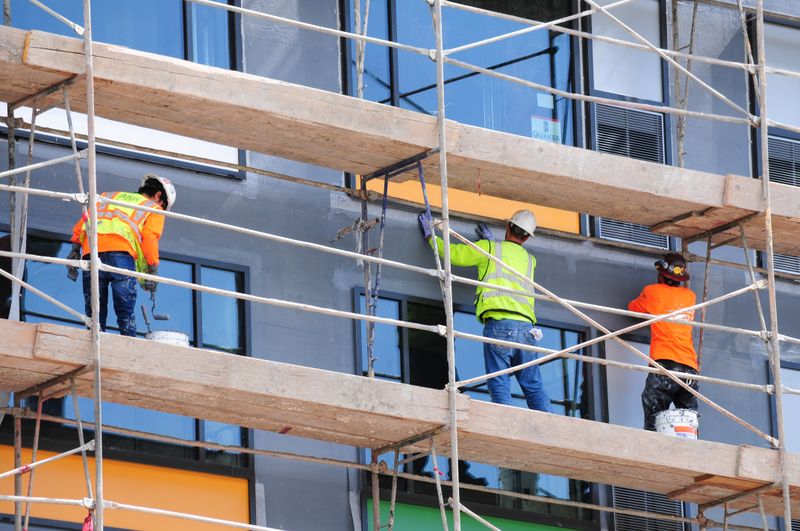
Las condiciones laborales se refieren a las condiciones en y bajo las cuales se realiza el trabajo. Una condición de trabajo es una característica o una combinación de características del trabajo que puede modificarse y mejorarse. Las concepciones actuales de las condiciones laborales incorporan consideraciones de factores más amplios, que pueden afectar psicosomáticamente al empleado. Así, una definición más amplia del término incluye la dimensión económica del trabajo y los efectos en las condiciones de vida. Las condiciones laborales son un tema del derecho laboral y están reguladas por todas sus diversas fuentes: legislación, convenios colectivos, normas laborales, contrato de trabajo, así como costumbres y prácticas.
Últimas novedades
Encuentre el contenido más reciente sobre este tema a continuación.
12 February 2026
29 January 2026
March 2026
Acerca de Condiciones laborales
Obtenga más información sobre este tema y su relevancia para la elaboración de políticas de la UE.
Puntos destacados para Condiciones laborales
Esta es una selección de los resultados más importantes para este tema.
29 November 2022
Working conditions in the time of COVID-19: Implications for the future
The strict public health restrictions implemented by governments in 2020 to control the COVID-19 pandemic abruptly changed working life and continued to shape it over the two years that followed. Between March and November 2021, over 70,000 interviews were carried out in 36 countries by the European Working Conditions Telephone Survey (EWCTS), a high-quality probability-based survey. The aim was to provide a detailed picture of the working lives of Europeans in that exceptional time.
The report documents the working conditions of Europeans in 2021. It examines variation in job quality and identifies its positive association with well-being, health, work engagement and the financial sustainability of work. It highlights the divergences in the experiences of workers depending on workers’ own attributes and their place in the workforce. From this analysis, the report aims to derive lessons for the future, particularly in relation to the enduring marks on how we work and the implications for work organisation, the quality of work, and the interaction between work and private life.
7 December 2022
Living, working and COVID-19 in the European Union and 10 EU neighbouring countries
The Living, working and COVID-19 survey, first launched by Eurofound in early 2020, aims to capture the wide-ranging impact of the pandemic on the work and lives of EU citizens. The fifth round of the Eurofound survey, which was implemented in spring 2022, also sheds light on a new uncertain reality caused by the war in Ukraine, record-high inflation and sharp rises in the cost of living. As a pilot survey, a shorter version of the questionnaire was fielded by the European Training Foundation (ETF) in 10 European Union (EU) neighbouring countries. This joint Eurofound-ETF factsheet presents a selection of results from the survey covering both the EU-27 and the 10 selected EU neighbouring countries.
The results reveal at least one clear commonality across respondents from all countries: serious concerns about the rising cost of living. At the same time, the results point to a large divergence in living and working conditions between respondents in the two groups of countries, but also show large differences within the EU itself and amongst the selected EU neighbouring countries.
19 May 2022
Working life in the COVID-19 pandemic 2021
This publication consists of individual country reports on working life during 2021 for 28 countries – the 27 EU Member States and Norway. The country reports summarise evidence on the impact of the COVID-19 pandemic on working life based on national research and survey results during 2021. They outline the policy responses of governments and social partners in their efforts to cushion the socioeconomic effects and include a focus on policy areas related to adapting to the pandemic and the return to work. This includes in particular a focus on new health and safety arrangements at work, new work arrangements, policies to address labour shortages and wages and wage setting. The reports also explore the impact of the pandemic on social dialogue, collective bargaining and industrial action.
Please note that there is no consolidated report on working life in the EU in 2021.
10 March 2022
Overtime in Europe: Regulation and practice
Despite the well-known adverse effects of regular long working hours on workers’ health, well-being and performance, many workers in the EU continue to work beyond their normal hours. Part of this additional working time is classified as overtime. This report takes a comparative overview of how overtime is regulated in the EU Member States, Norway and the United Kingdom, including its definition, the limits on its use and the compensation received by workers for working extra hours. The report assesses the extent of the phenomenon using national-level data, delves into the factors that explain it, and examines the potential consequences for workers and firms. Finally, the report summarises the current debate on the topic, as uncompensated working hours, structural overtime and monitoring of working hours are currently some of the most discussed work-related issues across the EU.
9 December 2020
Employee monitoring and surveillance: The challenges of digitalisation
New digital technologies have expanded the possibilities of employee monitoring and surveillance, both in and outside the workplace. In the context of the increasing digitalisation of work, there are many issues related to employee monitoring that warrant the attention of policymakers. As well as the often-cited privacy and ethical concerns, there are also important implications for worker–employer relations, as digitally enabled monitoring and surveillance inevitably shift power dynamics in the workplace. Based on input from the Network of Eurofound Correspondents, this report explores the regulatory approaches to workplace monitoring in Europe, and the many challenges arising from the use of new digital technologies. Drawing from empirical and qualitative research, the report also provides some insight into the extent of employee monitoring in Europe and the implications for job quality and work organisation.
16 January 2020
Telework and ICT-based mobile work: Flexible working in the digital age
Advances in ICT have opened the door to new ways of organising work. We are shifting from a regular, bureaucratic and ‘factory-based’ working time pattern towards a more flexible model of work. Telework and ICT-based mobile work (TICTM) has emerged in this transition, giving workers and employers the ability to adapt the time and location of work to their needs. Despite the flexibility and higher level of worker autonomy inherent in TICTM, there are risks that this work arrangement leads to the deterioration of work–life balance, higher stress levels and failing worker health. This report analyses the employment and working conditions of workers with TICTM arrangements, focusing on how it affects their work–life balance, health, performance and job prospects. While policymakers in many EU countries are debating TICTM and its implications, the study finds that only a few have implemented new regulations to prevent TICTM from having a negative impact on the well-being of workers.
Expertos en Condiciones laborales
Los investigadores de Eurofound proporcionan conocimientos expertos y se les puede contactar para preguntas o solicitudes de los medios de comunicación.
Agnès Parent-Thirion
Senior research managerAgnès Parent-Thirion es directora de investigación sénior en la unidad de Vida Laboral de Eurofound, encargada de la planificación, el desarrollo y la ejecución de proyectos de investigación sobre las condiciones de trabajo, en particular la Encuesta Europea sobre las Condiciones de Trabajo (EWCS) y sus análisis. Es responsable de la edición extraordinaria de la EWCS 2021 y de la preparación del cuestionario para la EWCS 2024. Sus intereses de investigación incluyen las condiciones de trabajo, la calidad del empleo, el seguimiento de las condiciones de trabajo, la organización del trabajo, el género, el futuro del trabajo y el tiempo. Lleva más de una década trabajando en el área de encuestas comparativas europeas, en todos los aspectos, incluido el diseño, el desarrollo de cuestionarios, el trabajo de campo, el control de calidad y el análisis. Es licenciada en economía y gestión por las universidades Paris IX Dauphine y Paris I Panthéon Sorbonne y tiene un Diploma de Postgrado en Estadística por el Trinity College de Dublín. Recientemente ha completado cursos en línea sobre inteligencia artificial: liderazgo basado en la investigación con MIT Sloan Executive Education y 'Les grand enjeux de la transition: re-ouvrir l'horizon, comprendre pour agir' con el Campus de la Transition. Antes de incorporarse a Eurofound, trabajó durante varios años en la Comisión Europea.
Todo el contenido para Condiciones laborales
Esta sección proporciona acceso a todo el contenido que se ha publicado sobre el tema.


