Acțiuni sindicale
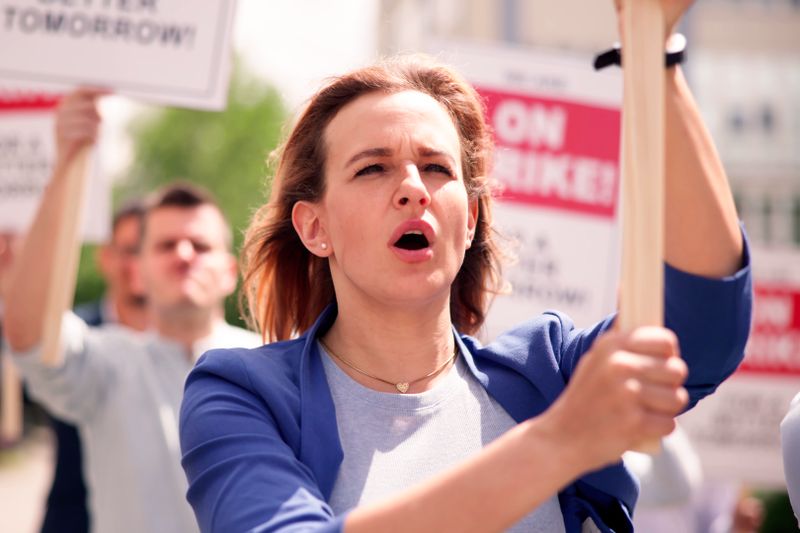
Acțiunea sindicală este unul dintre mijloacele fundamentale de care dispun lucrătorii și organizațiile lor pentru a rezolva conflictele de muncă și a-și promova interesele economice și sociale. Poate lua multe forme, de la retragerea completă a muncii pentru o perioadă nedeterminată până la forme mai restrânse de acțiune colectivă în care nu există încetare a muncii. Dreptul la grevă este recunoscut în mod explicit în constituțiile și/sau legile multor țări. La nivelul UE, dreptul la grevă este consacrat la articolul 28 din Carta drepturilor fundamentale a Uniunii Europene. Dreptul la acțiune colectivă al partenerilor sociali este, de asemenea, inclus în Pilonul european al drepturilor sociale. Eurofound analizează în prezent fezabilitatea unui monitor al acțiunilor sindicale.
Nou și viitor
Găsiți mai jos cel mai recent conținut pe această temă.
29 July 2024
3 November 2022
19 May 2022
This publication consists of individual country reports on working life during 2021 for 28 countries – the 27 EU Member States and Norway. The country reports summarise evidence on the impact of the COVID-19 pandemic on working life based on national research and survey results during 2021. They outline the policy responses of governments and social partners in their efforts to cushion the socioeconomic effects and include a focus on policy areas related to adapting to the pandemic and the return to work. This includes in particular a focus on new health and safety arrangements at work, new work arrangements, policies to address labour shortages and wages and wage setting. The reports also explore the impact of the pandemic on social dialogue, collective bargaining and industrial action.
Please note that there is no consolidated report on working life in the EU in 2021.
Puncte-cheie pentru Acțiuni sindicale
Aceasta este o selecție a celor mai importante rezultate pentru acest subiect.
7 February 2022
Collective labour disputes in the EU
In recent years, apart from some intermittent spikes, there has been a general decrease in industrial action across the EU Member States. During the COVID-19 pandemic, this trend has continued, with the most significant labour disputes not surprisingly occurring in the human health and social services sector, the education sector and the transport and logistics sector. This report analyses the data collected in 2018–2019 by Eurofound during the piloting of its Industrial Action Monitor (IAM) database. Using cluster analysis, the research classified industrial action in Europe into five categories: national disputes of interest and rights, sometimes involving different forms of employment; extended disputes about collective pay agreements; localised disputes about employment problems, working time and restructuring, with short work stoppages; localised disputes about workers’ rights and grievances over company policies; and disputes concerning public policies.
In terms of specific issues, problems over pay accounted for over 40% of disputes, employment problems accounted for 20%, other aspects of working conditions accounted for 16% and protests accounted for 13%. Noting the lack of complete data on industrial action in Europe, the analysis points to the need for a systematic collection of empirical evidence in the future to provide a sound basis for comparative analysis.
20 September 2023
Database of wages, working time and collective disputes
8 April 2021
Relative calm on the industrial action front in 2020
Experți pe tema Acțiuni sindicale
Cercetătorii Eurofound oferă expertiză și pot fi contactați pentru întrebări sau solicitări din partea mass-mediei.
Mária Sedláková
Research officerMária Sedláková este ofițer de cercetare în cadrul unității de viață profesională din cadrul Eurofound. Ea este responsabilă de elaborarea rapoartelor de ansamblu pentru studiile de reprezentativitate sectorială, managementul și controlul calității raportărilor naționale privind relațiile de muncă, dialogul social și viața profesională și dezvoltarea unui proiect privind negocierea colectivă dincolo de remunerare. Înainte de a se alătura Eurofound, a lucrat ca ofițer de cercetare tehnică în cadrul Departamentului de guvernanță și tripartism al Organizației Internaționale a Muncii de la Geneva pentru Raportul emblematic al dialogului social 2022. De asemenea, a lucrat ca cercetător la Institutul Central European de Studii ale Muncii din Bratislava (2013-2020), concentrându-se pe dialog social, negociere colectivă, condiții de muncă și sociologia muncii. Maria deține un master în științe politice cu specializare în politică europeană comparată de la Universitatea Central Europeană.
Christine Aumayr-Pintar
Senior research managerChristine Aumayr-Pintar este senior research manager în cadrul unității Working Life din cadrul Eurofound. Coordonează cercetarea Eurofound privind dialogul social și relațiile industriale și supraveghează Rețeaua corespondenților Eurofound (NEC). Expertiza sa principală în cercetare – abordată dintr-o perspectivă comparativă la nivelul UE – se concentrează pe salariile minime, salariile negociate colectiv și transparența salarială de gen. Înainte de a se alătura Eurofound în 2009, a fost cercetător în domeniul pieței muncii și al economiei regionale la Joanneum Research din Austria. A obținut o diplomă de master în economie și un doctorat în științe sociale/economie, după ce a studiat economie la Graz, Viena și Jönköping.
Tot conținutul pentru Acțiuni sindicale
Această secțiune oferă acces la tot conținutul care a fost publicat pe acest subiect.


