)
The work-life challenges of women and men
In this episode of Eurofound Talks, recorded for International Women's Day 2023, Mary McCaughey speaks with Eurofound Working Life researchers Jorge Cabrita and Viginta Ivaškaitė-Tamošiūnė about how, when paid and unpaid work are combined, women do eight full-time weeks more work than men per year, and the broader implications of this for society. They also discuss how indicators of work-life balance and work-life conflict differ for women and men, as well as the policy action that can be taken to improve gender equality in Europe.
Poslušajte to epizodo podcasta
To epizodo lahko poslušate spodaj ali na podcast platformi po lastni izbiri.
Prosimo, upoštevajte, da je večina epizod Eurofoundovih podcastov na voljo samo v angleškem jeziku. Prepis epizode je običajno na voljo v drugih jezikih.
This audio is hosted by a third party, Spotify.
By clicking on the button to play the audio you accept their terms and conditions .
Govorniki v tej epizodi
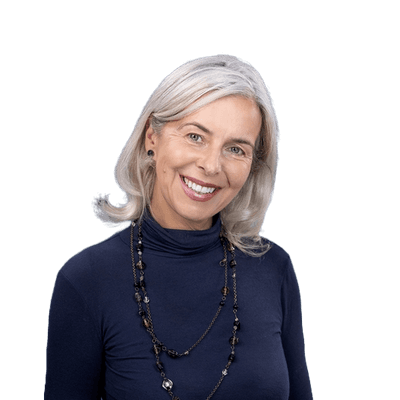
Mary McCaughey
Head of UnitMary McCaughey je vodja oddelka za informacije in komuniciranje pri Eurofoundu. Diplomirala je na Trinity College v Dublinu in College of Europe v Bruggeju, v Bruslju pa je začela delati pri Europolitics in Wall Street Journal Europe. Med prehodom države v demokracijo je sodelovala z Združenjem evropskih poslancev z Afriko (AWEPA) v Južni Afriki, leta 1998 pa je prevzela funkcijo tiskovne predstavnice delegacije Evropske unije v Pretoriji, kjer je vodila tiskovni in informacijski oddelek med pogajanji o sporazumu o prosti trgovini med EU in Južno Afriko. Po koncu vojne na Kosovu je delala kot svetovalka za komuniciranje pri Evropski agenciji za obnovo v Srbiji. Leta 2003 je prevzela funkcijo glavne urednice Eurofounda.
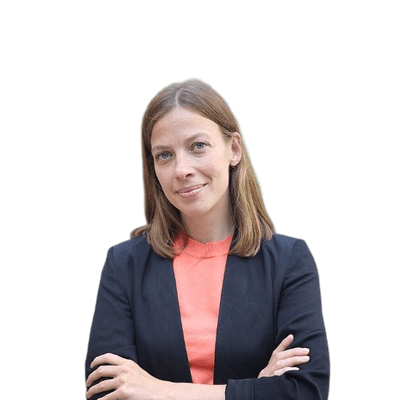
Jorge Cabrita
Senior research managerJorge Cabrita is a senior research manager in the Working Life unit. He is responsible for formulating, coordinating and managing European-wide research, and promoting the dissemination of findings in the areas of working conditions and industrial relations. His main research areas of interest include working conditions and job quality, working time and work–life balance, workers’ health and well-being, gender equality and the socioeconomic impacts of the transition to a climate-neutral economy. He is currently leading research on working time developments and on social dialogue and collective bargaining during the COVID-19 pandemic. Previously, he worked as a researcher at the Centre for Studies for Social Intervention and at the Research Centre on the Portuguese Economy of the Lisbon School of Economics, and as a trainer and consultant in the areas of strategic management, organisational communication, leadership and team building. He holds a BSc in Economics and an MSc in Socio-Organisational Systems of Economic Activity from the Lisbon School of Economics.
Nedavno objavljena epizoda podcasta