&w=3840&q=90)
Oglejte si spletni seminar - Eurofound LIVE: Kako umetna inteligenca spreminja svet dela v Evropi?
11:00 – 12:00 Irski lokalni čas
Online
Eurofound skupaj z Evropskim centrom za razvoj poklicnega usposabljanja (Cedefop) organizira interaktivni skupni spletni seminar, ki raziskuje , kako umetna inteligenca spreminja svet dela v Evropi, z neposrednim intervjujem v torek, 11. februarja 2025. 11:00 – 12:00 po irskem času, 12:00 – 13:00 po srednjeevropskem času.
Ozadje dogodka
Razprava
Letos Eurofound in Evropski center za razvoj poklicnega usposabljanja (Cedefop)opens in new tab obeležujeta svojo 50. obletnico. Dolgoživost agencij in vpliv njihovega dela sta dokaz pomena raziskav, ki temeljijo na dokazih, za prilagajanje spremembam na trgu dela in spodbujanje gospodarskega razvoja.
Ta specializacija in pristop, ki temelji na dokazih, je zdaj bolj kot kdaj koli prej potreben za soočanje s trenutnimi hitrimi spremembami na trgu dela in v svetu dela. Nove tehnologije močno vplivajo na različne vidike našega delovnega življenja. Imajo potencial za povečanje učinkovitosti, zmanjšanje tveganj in izboljšanje kakovosti delovnih mest. Evropa jih mora izkoristiti za izboljšanje delovnega časa in ohranjanje konkurenčne prednosti.
Umetna inteligenca (UI) je v ospredju te spremembe. Poleg izjemnega potenciala za dobiček in napredek je prinesel tudi izzive, vključno z zaskrbljenostjo zaradi uničevanja delovnih mest za srednje in nizko kvalificirane delavce. UI spreminja naloge in potrebe po veščinah na vseh področjih, zato je treba storiti več, da se zapolni vrzel med novimi potrebami po znanju in veščinah, ki so povezane z UI, ter nizkim deležem delavcev, ki se zanj usposabljajo. Obstajajo tudi pomembne poslovne posledice, MSP pa lahko izgubijo v korist večjih podjetij, ki lahko več vlagajo v razvoj in uvajanje umetne inteligence.
V tem posebnem #Eurofound50 spletnem seminarju se Mary McCaughey , vodja informacij in komunikacij pri Eurofoundu, pogovarja z Dragoșem Adăscălițeijem, raziskovalcem Eurofounda, in Jasperjem Van Loojem, koordinatorjem oddelka Cedefop, o tem, kako umetna inteligenca že spreminja delovno življenje v Evropi in kaj je treba storiti, da izkoristimo njen izjemen potencial in hkrati zaščitimo tiste, ki tvegajo, da ostanejo zapostavljeni.
Oglejte si video
&w=3840&q=100)
This video is hosted by a third party, YouTube.
By clicking on the button to play the video you accept their terms and conditions .
Govorniki
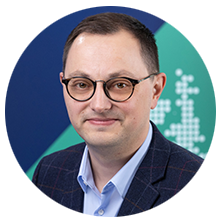 | Speaker: Dragoș Adăscăliței Dragoș Adăscăliței is a research officer in the Employment unit at Eurofound. His current research focuses on topics related to the future of work, including the impact of artificial intelligence on jobs, the consequences of automation for employment and regulatory issues surrounding the platform economy. He is also a regular contributor to comparative projects monitoring structural changes in European labour markets. Prior to joining Eurofound, he was a lecturer in Employment Relations at the University of Sheffield, Management School. He holds an MA in Political Science from Central European University and a PhD in Sociology from the University of Mannheim. |
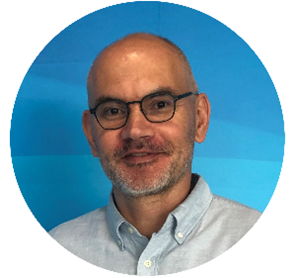 | Speaker: Jasper Van Loo Jasper Van Loo is coordinator in Cedefop’s department for VET and Skills. Jasper oversees the labour market and skills analysis work of the agency and coordinates the work of two teams. He is also a member of the skills intelligence and foresight team and he has been driving efforts to develop the next generation skills intelligence Europe needs to shape an inclusive twin digital and green transition via skills. Before joining Cedefop in 2007, Jasper worked for the Research Centre for Education and the Labour Market (ROA) in The Netherlands. He has a master degree in quantitative and general economics from Maastricht University and holds a PhD in Social Sciences from Utrecht University. |
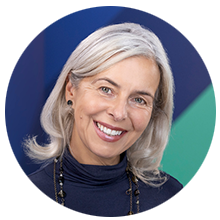 | Moderator: Mary McCaughey Mary McCaughey is Head of Information and Communication in Eurofound. A graduate of Trinity College, Dublin and the College of Europe, Bruges, she started work in Brussels with Europolitics and the Wall Street Journal Europe. She worked with the Association of European Parliamentarians with Africa (AWEPA) in South Africa during the country’s transition to democracy, and in 1998 she took up the post of spokesperson with the Delegation of the European Union in Pretoria, heading up its press and information department during the negotiation of the EU–South Africa free trade agreement. Following the end of the Kosovo War, she worked as a communications consultant for the European Agency for Reconstruction in Serbia. She took up the post of Editor-in-Chief in Eurofound in 2003. |
Slika © Ekaterina Pokrovsky/Adobe Stock
Dnevni red
Serija: Eurofound LIVE events
In Eurofound LIVE events, our researchers and external experts explore key topics on the EU social agenda. These dynamic discussions provide fresh insights and foster meaningful dialogue on issues that matter.
Watch the webinar - Eurofound LIVE: Is Europe's green transition in jeopardy?

Watch the webinar - Eurofound LIVE - Bridging the rural–urban divide in Europe: upgrading the European Union convergence machine

Watch the webinar - Eurofound LIVE: Understanding the socioeconomic impact of the EU's transition to a climate-neutral economy – How to make the Green Deal a reality?

 This website is an official website of the European Union.
All official European Union website addresses are in the europa.eu domain.
See all EU institutions and bodies
Evropska fundacija za izboljšanje življenjskih in delovnih pogojev