)
Vai klimata pārmaiņas padara darbu bīstamāku Eiropā?
Klimata pārmaiņas ir realitāte mūsu ikdienas dzīvē Eiropā. Darba ņēmēji gan tieši, gan netieši izjūt klimata pārmaiņu un klimata pārmaiņu politikas ietekmi dažādos veidos, sākot ar darbu karstumā un lielāku UV starojuma iedarbību, jauniem darba drošības un veselības riskiem un nepieciešamību pēc apmācības un pārkvalifikācijas.
Šajā Eurofound sarunu epizodē Mary McCaughey sarunājas ar Eurofound pētniekiem Agnès Parent-Thirion, Tina Weber un Jorge Cabrita par to, cik lielā mērā klimata pārmaiņas jau ietekmē darba apstākļus un darba tirgu Eiropā, zaļās pārkārtošanās nozīmi un to, kā politika var palīdzēt aizsargāt darba ņēmējus un aizsargāt darbavietas.
Klausieties šo podkāsta epizodi
Šo epizodi varat klausīties zemāk vai izvēlētajā podkāstu platformā.
Lūdzu, ņemiet vērā, ka lielākā daļa Eurofound podkāstu epizožu ir pieejamas tikai angļu valodā. Epizodes atšifrējums parasti ir pieejams citās valodās.
This audio is hosted by a third party, Spotify.
By clicking on the button to play the audio you accept their terms and conditions .
Runātāji šajā epizodē
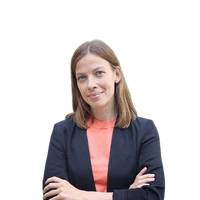
Mary McCaughey
Head of UnitMary McCaughey ir Eurofound informācijas un komunikācijas vadītāja. Absolvējusi Trīsvienības koledžu Dublinā un Eiropas koledžu Brigē, viņa sāka strādāt Briselē Europolitics un Wall Street Journal Europe. Viņa strādāja ar Eiropas Parlamentāriešu asociāciju ar Āfriku (AWEPA) Dienvidāfrikā valsts pārejas laikā uz demokrātiju, un 1998. gadā viņa ieņēma preses pārstāves amatu Eiropas Savienības delegācijā Pretorijā, vadot tās preses un informācijas nodaļu sarunās par ES un Dienvidāfrikas brīvās tirdzniecības nolīgumu. Pēc Kosovas kara beigām viņa strādāja par komunikācijas konsultanti Eiropas Rekonstrukcijas aģentūrā Serbijā. 2003. gadā viņa sāka strādāt par Eurofound galveno redaktori.
Agnès Parent-Thirion
Senior research managerAgnès Parent-Thirion ir vecākā pētniecības vadītāja Eurofound Darba dzīves nodaļā, kuras uzdevums ir plānot, izstrādāt un īstenot darba apstākļu pētniecības projektus, jo īpaši Eiropas darba apstākļu apsekojumu (EWCS) un tā analīzi. Viņa ir atbildīga par EWCS 2021 ārkārtas izdevumu un anketas sagatavošanu EWCS 2024. gadam. Viņas pētnieciskās intereses ietver darba apstākļus, darba kvalitāti, darba apstākļu uzraudzību, darba organizāciju, dzimumu, darba nākotni un laiku. Viņa vairāk nekā desmit gadus strādā Eiropas salīdzinošo apsekojumu jomā visos aspektos, tostarp izstrādē, anketu izstrādē, lauka darbā, kvalitātes kontrolē un analīzē. Viņa ir absolvējusi ekonomiku un vadību Parīzes IX Dauphine un Parīzes I Panteonas Sorbonnas universitātēs, kā arī ieguvusi pēcdiploma diplomu statistikā Dublinas Trīsvienības koledžā. Viņa nesen ir pabeigusi tiešsaistes kursus par mākslīgo intelektu: izmeklēšanas virzīta vadība ar MIT Sloan Executive Education un "Les grand enjeux de la transition: re-ouvrir l'horizon, comprendre pour agir" ar Campus de la Transition. Pirms pievienošanās Eurofound viņa vairākus gadus strādāja Eiropas Komisijā.
Tina Weber
Senior research managerTina Weber is a senior research manager in Eurofound’s Working Life unit. Her work has focused on labour shortages, the impact of hybrid work and an ‘always on’ culture and the right to disconnect, working conditions and social protection measures for self-employed workers and the impact of the twin transitions on employment, working conditions and industrial relations. She is responsible for studies assessing the representativeness of European social partner organisations. She has also carried out research on European Works Councils and the evolution of industrial relations and social dialogue in the European Union. Prior to joining Eurofound in 2019, she worked for a private research institute primarily carrying out impact assessments and evaluations of EU labour law and labour market policies. Tina holds a PhD in Political Sciences from the University of Edinburgh which focussed on the role of national trade unions and employers’ organisations in the European social dialogue.
Jorge Cabrita
Senior research managerJorge Cabrita is a senior research manager in the Working Life unit. He is responsible for formulating, coordinating and managing European-wide research, and promoting the dissemination of findings in the areas of working conditions and industrial relations. His main research areas of interest include working conditions and job quality, working time and work–life balance, workers’ health and well-being, gender equality and the socioeconomic impacts of the transition to a climate-neutral economy. He is currently leading research on working time developments and on social dialogue and collective bargaining during the COVID-19 pandemic. Previously, he worked as a researcher at the Centre for Studies for Social Intervention and at the Research Centre on the Portuguese Economy of the Lisbon School of Economics, and as a trainer and consultant in the areas of strategic management, organisational communication, leadership and team building. He holds a BSc in Economics and an MSc in Socio-Organisational Systems of Economic Activity from the Lisbon School of Economics.
Nesen publicētā podkāsta epizode