Excel spreadsheet
Dataset of the 2025 update of the minimum wage database
Updated version with additional metadata published on 26 January 2026.
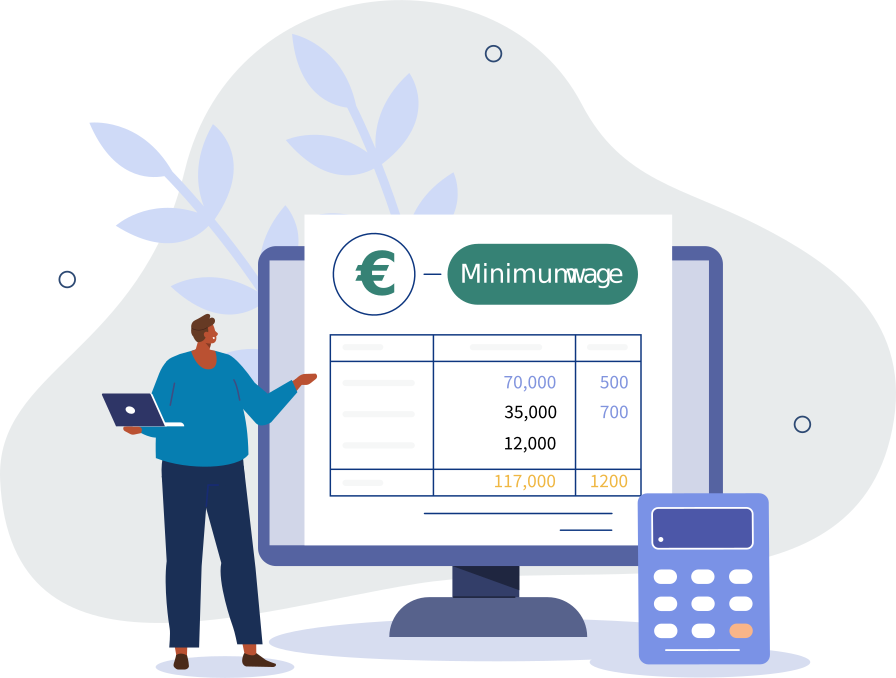
The database was developed and is maintained by Eurofound. It covers collective agreement texts from 2015 to 2025 related to a selection of low-paid sectors from all 27 EU Member States, except for Poland where data is only available until 2022. In summer 2025 the database contains coded minimum wage rates from 678 series of collective agreement texts (and where available, also the highest rates in these agreements were coded).
The database provides access to minimum wage rates defined in collective agreements in the EU and Norway. In the first half of 2025, an update of the database was carried out.

The database was developed and is maintained by Eurofound. It covers collective agreement texts from 2015 to 2025 related to a selection of low-paid sectors from all 27 EU Member States, except for Poland where data is only available until 2022. In summer 2025 the database contains coded minimum wage rates from 678 series of collective agreement texts (and where available, also the highest rates in these agreements were coded).
The dataset below includes all collectively agreed minimum wage rates available in the database, except for those marked as confidential, along with metadata on the corresponding collective agreements and sectors. For a description of the fields in the data file, please refer to the codebook of the database.
The following experts at Eurofound can be contacted for questions relating to the database.
 This website is an official website of the European Union.
All official European Union website addresses are in the europa.eu domain.
See all EU institutions and bodies
Fundación Europea para la Mejora de las Condiciones de Vida y Trabajo
Updated version with additional metadata published on 26 January 2026.