Hoppa till huvudinnehållet
Denna sida är för närvarande inte helt tillgänglig på det valda språket. Vänligen byt till den engelska versionen eller se Eurofounds språkpolicy.
Ämne
Senast uppdaterad: 19 June 2026

Work-life balance

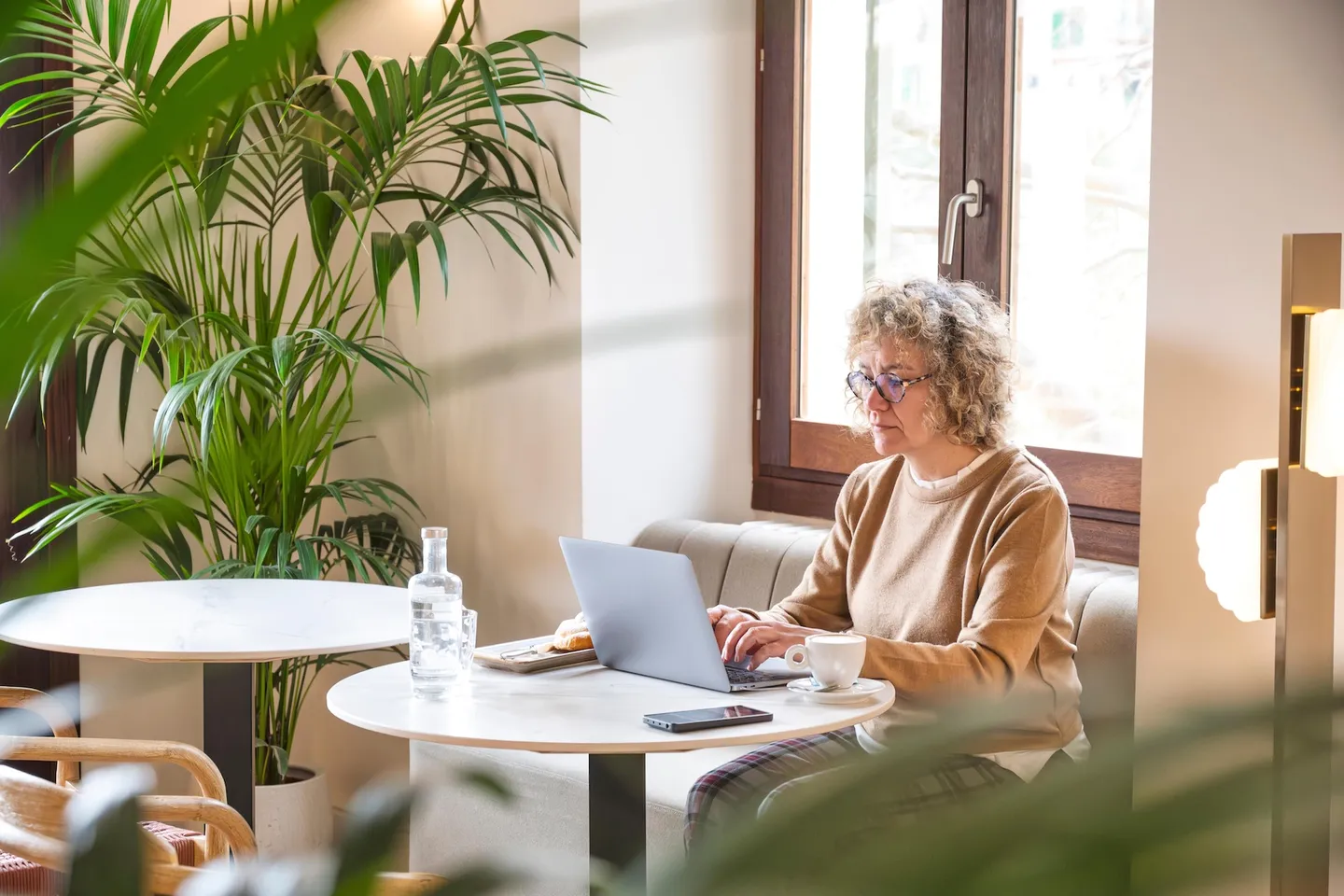
Work–life balance refers to the level of prioritisation between an individual’s work and personal life. A good work–life balance is achieved when an individual’s right to a fulfilled life inside and outside paid work is accepted and respected as the norm – to the mutual benefit of the individual, business and society. Enabling a better work–life balance for workers across the life course has been an EU policy goal for many years as it is central to ensuring that work is sustainable for all.

Hitta det senaste innehållet om detta ämne nedan.

19 June 2026
Den oändliga arbetsdagen i flexibla arbetsländer i Europa
En av fem arbetstagare i hela EU rapporterar att de kontaktas av arbetsrelaterade skäl utanför sina arbetstider flera gånger i månaden. Denna artikel utforskar sambanden mellan kontakt utanför ordinarie arbetstid och den ökande digitaliseringen av arbetet.
Carla Blanco Ameneiros+1
Artikel
14 April 2026
Europeiska arbetsmiljöundersökningen 2024 – Höjdpunkter
Denna digitala berättelse presenterar höjdpunkterna från European Working Conditions Survey 2024 översiktsrapporten. Den utforskar viktiga fynd från varje kapitel i rapporten med fokus på den europeiska arbetskraften, arbetsplatspraxis, mätning av arbetskvalitet, trender över tid i arbetskvalitet samt arbetslivskvaliteten i EU.
Digital berättelse
14 April 2026
Europeiska arbetsmiljöundersökningen 2024: Översiktsrapport
Nu i sin åttonde upplaga kartlägger European Working Conditions Survey 2024 förändringar i arbetslivet under mer än tre decennier. Denna högkvalitativa, sannolikhetsbaserade undersökning omfattar 35 europeiska länder, inklusive de 27 EU-medlemsstaterna, Norge, Schweiz, Albanien, Bosnien och Hercegovina, Montenegro, Nordmakedonien, Kosovo och Serbien. Över 36 600 personliga intervjuer, var och en cirka 45 minuter, genomfördes som en del av undersökningen.
Agnès Parent-Thirion+6
Rapport från flaggskeppsinitiativet

Work–life balance continues to be a significant research topic for Eurofound, in its surveys and other studies.

Survey data on work–life balance issues

Eurofound’s European Quality of Life Surveys (EQLS) provide comparisons between countries on the reconciliation of work and family life, flexible working time arrangements and the provision of quality care services. The European Company Surveys (ECS) provide data on why and how companies make use of a broad variety of working time arrangements. The European Working Conditions Surveys (EWCS) look at the organisation of working time across the EU and issues related to it including flexible arrangements, working time preferences and work–life balance.

COVID-19 and work–life balance

Eurofound’s unique e-survey, Living and Working in the EU, provides a snapshot of the impact of the changes that occurred during the pandemic on people’s lives, with the aim of helping policymakers shape the response to the crisis. Conducted in various rounds since 2020, it allows for comparison of the challenges that arose during the different stages of living through the pandemic and beyond. A range of questions focus on people’s work situation, their level of teleworking during COVID-19, experiences of working from home and the impact on work–life balance. 

Working life and work–life balance

Eurofound gathers information on working life in the EU, looking at national and EU-level policies to promote work–life balance and investigating the role of social dialogue and collective bargaining in this area.

Research investigates the opportunities for working time flexibility and improved work–life balance related to digitisation and platform work, linked with the labour market integration of specific groups, such as those with care responsibilities or health issues. 

In its research on working conditions and sustainable work, Eurofound has looked at the implications for work–life balance for parents and caregivers. 

In the context of the negotiations on the work–life balance package at EU level, and at the European Commission’s request, Eurofound has produced a review of national statistics on the uptake of family-related leave by fathers over time across the EU Member States and Norway.


Listen to or watch a recording of our International Women's Day 2023 podcast on the work–life challenges of women and men. 

Thumbnail for Behind the podcast: The work-life challenges of women and men

This video is hosted by a third party, YouTube.
By clicking on the button to play the video you accept their terms and conditions .

On 17 November 2017, the European Parliament, the Council and the European Commission formally proclaimed the European Pillar of Social Rights, which included an initiative to support work–life balance. Subsequently, in June 2019, the Council adopted a new Directive on work–life balance for parents and carers. The Directive aims to increase women's participation in the labour market and outlines a number of new or improved minimum standards for parental, paternity and carer’s leave, as well as flexible working arrangements, aiming to also increase men's take-up of these.

Detta är ett urval av de viktigaste resultaten för detta ämne.

Eurofounds forskare bidrar med expertkunskap och kan kontaktas med frågor eller förfrågningar från medier.

Jorge Cabrita

Senior research manager
Working life research

Jorge Cabrita är senior forskningschef vid Working Life-enheten. Han ansvarar för att formulera, samordna och leda europeisk forskning samt främja spridningen av resultat inom arbetsvillkor och arbetsmarknadsrelationer. Hans huvudsakliga forskningsområden inkluderar arbetsvillkor och arbetskvalitet, arbetstid och balans mellan arbete och privatliv, arbetstagares hälsa och välbefinnande, jämställdhet samt de socioekonomiska effekterna av övergången till en klimatneutral ekonomi. Han leder för närvarande forskning om arbetstidsutveckling samt social dialog och kollektivavtal under COVID-19-pandemin. Tidigare arbetade han som forskare vid Centre for Studies for Social Intervention och vid Research Centre on the Portuguese Economy vid Lissabons ekonomiska skola, samt som utbildare och konsult inom områdena strategisk ledning, organisatorisk kommunikation, ledarskap och teambuilding. Han har en kandidatexamen i ekonomi och en magisterexamen i socio-organisatoriska system för ekonomisk aktivitet från Lissabons ekonomiska skola.

Se profil

Detta avsnitt ger tillgång till allt innehåll som har publicerats om ämnet.

Flag of the European UnionThis website is an official website of the European Union.
European Foundation for the Improvement of Living and Working Conditions
The tripartite EU agency providing knowledge to assist in the development of better social, employment and work-related policies

All official European Union website addresses are in the europa.eu domain.

See all EU institutions and bodies