&w=3840&q=90)
Žiūrėkite internetinį seminarą "Eurofound LIVE": Kaip dirbtinis intelektas keičia darbo pasaulį Europoje?
11:00 – 12:00 Airijos vietos laikas
Online
Eurofound kartu su Europos profesinio mokymo plėtros centru (CEDEFOP) 2025 m. vasario 11 d., antradienį, organizuoja interaktyvų bendrą internetinį seminarą apie tai, kaip dirbtinis intelektas keičia darbo pasaulį Europoje. 11:00–12:00 Airijos laiku, 12:00–13:00 Vidurio Europos laiku.
Renginio kontekstas
Diskusijos
Šiais metais EUROFOUND ir Europos profesinio mokymo plėtros centras (CEDEFOP)opens in new tab mini savo 50-metį. Agentūrų ilgaamžiškumas ir jų darbo poveikis liudija įrodymais pagrįstų tyrimų svarbą prisitaikant prie darbo rinkos pokyčių ir skatinant ekonominę plėtrą.
Ši specializacija ir įrodymais pagrįstas požiūris dabar labiau nei bet kada reikalingas reaguojant į dabartinius sparčius darbo rinkos ir darbo pasaulio pokyčius. Naujos technologijos daro didelę įtaką įvairiems mūsų profesinio gyvenimo aspektams. Jie gali padidinti efektyvumą, sumažinti riziką ir pagerinti darbo kokybę. Europa turi juos panaudoti, kad pagerintų profesinį gyvenimą ir išlaikytų savo konkurencinį pranašumą.
Dirbtinis intelektas (DI) yra šio pokyčio priešakyje. Be didžiulio pelno ir pažangos potencialo, jis kėlė iššūkių, įskaitant susirūpinimą dėl vidutinės ir žemos kvalifikacijos darbuotojų darbo vietų naikinimo. Dirbtinis intelektas keičia užduotis ir įgūdžių poreikius visose srityse, todėl reikia nuveikti daugiau, kad būtų panaikintas atotrūkis tarp naujų žinių ir įgūdžių poreikių, susijusių su dirbtiniu intelektu, ir mažos jam besimokančių darbuotojų dalies. Tai taip pat turi reikšmingų pasekmių verslui, o MVĮ gali pralaimėti didesnėms įmonėms, kurios gali daugiau investuoti į dirbtinio intelekto kūrimą ir diegimą.
Šiame specialiame #Eurofound50 internetiniame seminare EUROFOUND informacijos ir komunikacijos vadovė Mary McCaughey kalbasi su Eurofound tyrimų pareigūnu Dragoș Adăscăliței ir CEDEFOP departamento koordinatoriumi Jasper Van Loo apie tai, kaip dirbtinis intelektas jau keičia profesinį gyvenimą Europoje ir ką reikia padaryti, kad būtų išnaudotas didžiulis jo potencialas ir kartu apsaugoti tuos, kurie rizikuoja likti nuošalyje.
Žiūrėkite vaizdo įrašą
&w=3840&q=100)
This video is hosted by a third party, YouTube.
By clicking on the button to play the video you accept their terms and conditions .
Pranešėjai
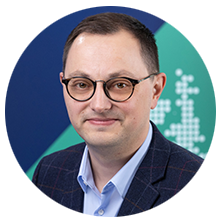 | Speaker: Dragoș Adăscăliței Dragoș Adăscăliței is a research officer in the Employment unit at Eurofound. His current research focuses on topics related to the future of work, including the impact of artificial intelligence on jobs, the consequences of automation for employment and regulatory issues surrounding the platform economy. He is also a regular contributor to comparative projects monitoring structural changes in European labour markets. Prior to joining Eurofound, he was a lecturer in Employment Relations at the University of Sheffield, Management School. He holds an MA in Political Science from Central European University and a PhD in Sociology from the University of Mannheim. |
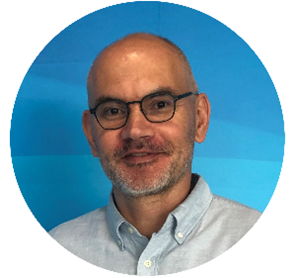 | Speaker: Jasper Van Loo Jasper Van Loo is coordinator in Cedefop’s department for VET and Skills. Jasper oversees the labour market and skills analysis work of the agency and coordinates the work of two teams. He is also a member of the skills intelligence and foresight team and he has been driving efforts to develop the next generation skills intelligence Europe needs to shape an inclusive twin digital and green transition via skills. Before joining Cedefop in 2007, Jasper worked for the Research Centre for Education and the Labour Market (ROA) in The Netherlands. He has a master degree in quantitative and general economics from Maastricht University and holds a PhD in Social Sciences from Utrecht University. |
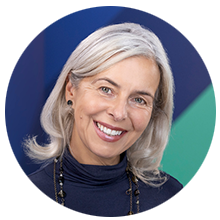 | Moderator: Mary McCaughey Mary McCaughey is Head of Information and Communication in Eurofound. A graduate of Trinity College, Dublin and the College of Europe, Bruges, she started work in Brussels with Europolitics and the Wall Street Journal Europe. She worked with the Association of European Parliamentarians with Africa (AWEPA) in South Africa during the country’s transition to democracy, and in 1998 she took up the post of spokesperson with the Delegation of the European Union in Pretoria, heading up its press and information department during the negotiation of the EU–South Africa free trade agreement. Following the end of the Kosovo War, she worked as a communications consultant for the European Agency for Reconstruction in Serbia. She took up the post of Editor-in-Chief in Eurofound in 2003. |
Nuotrauka: © Jekaterina Pokrovsky/Adobe Stock
Darbotvarkė
Serija: Eurofound LIVE events
In Eurofound LIVE events, our researchers and external experts explore key topics on the EU social agenda. These dynamic discussions provide fresh insights and foster meaningful dialogue on issues that matter.
Watch the webinar - Eurofound LIVE: Is Europe's green transition in jeopardy?

Watch the webinar - Eurofound LIVE - Bridging the rural–urban divide in Europe: upgrading the European Union convergence machine

Watch the webinar - Eurofound LIVE: Understanding the socioeconomic impact of the EU's transition to a climate-neutral economy – How to make the Green Deal a reality?

 This website is an official website of the European Union.
All official European Union website addresses are in the europa.eu domain.
See all EU institutions and bodies
Europos gyvenimo ir darbo sąlygų gerinimo fondas