&w=3840&q=90)
Vaata veebiseminari – Eurofound LIVE: Kuidas muudab tehisintellekt Euroopa töömaailma?
11:00 – 12:00 Iirimaa kohalik aeg
Online
Eurofound korraldab koos Euroopa Kutseõppe Arendamise Keskusega (Cedefop) interaktiivset ühist veebiseminari, mis uurib, kuidas tehisintellekt muudab Euroopa töömaailma, ning toimub otseülekandes küsimuste-vastuste voor teisipäeval, 11. veebruaril 2025. 11:00–12:00 Iiri aja järgi, 12:00–13:00 Kesk-Euroopa aja järgi.
Ürituse taust
Arutelu
Sel aastal tähistavad Eurofound ja Euroopa Kutseõppe Arendamise Keskus (Cedefopopens in new tab ) mõlemad oma 50. aastapäeva. Agentuuride pikaealisus ja nende töö mõju on tõenduspõhise uurimistöö tähtsus tööjõuturu muutustega kohanemisel ja majandusarengu edendamisel.
See spetsialiseerumine ja tõenduspõhine lähenemine on nüüd rohkem kui kunagi varem vajalik, et toime tulla kiirete tööjõuturu ja töömaailma muutustega. Uued tehnoloogiad avaldavad sügavat mõju meie tööelu erinevates aspektides. Neil on potentsiaal suurendada efektiivsust, vähendada riske ja parandada töökvaliteeti. Euroopa peab neid kasutama, et parandada tööelu ning säilitada oma konkurentsieelis.
Tehisintellekt (AI) on selle muutuse esirinnas. Lisaks oma tohutule kasumipotentsiaalile ja edusammule on see tekitanud väljakutseid, sealhulgas muret keskmise ja madala kvalifikatsiooniga töötajate töökohtade hävitamise pärast. Tehisintellekt muudab ülesandeid ja oskusi igal pool ning tuleb teha rohkem, et vähendada lõhet tehisintellektiga seotud uute teadmiste ja oskuste vajaduste ning selle jaoks koolitatavate töötajate madala osakaalu vahel. Sellel on ka märkimisväärsed ärilised mõjud ning VKEd võivad kaotada suurematele ettevõtetele, kes saavad rohkem investeerida tehisintellekti arendusse ja juurutamisse.
Selles erilises #Eurofound50 veebiseminaris räägib Mary McCaughey , Eurofoundi info- ja kommunikatsioonijuht, Dragoș Adăscăliței, Eurofoundi uurimisametnikuga, ja Jasper Van Looga, Cedefopi osakonna koordinaatoriga, sellest, kuidas tehisintellekt juba muudab tööelu Euroopas ning mida tuleb teha, et kasutada selle tohutut potentsiaali ja kaitsta neid, kes riskivad maha jääda.
Vaata videot
&w=3840&q=100)
This video is hosted by a third party, YouTube.
By clicking on the button to play the video you accept their terms and conditions .
Esinejad
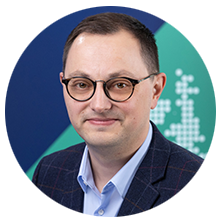 | Speaker: Dragoș Adăscăliței Dragoș Adăscăliței is a research officer in the Employment unit at Eurofound. His current research focuses on topics related to the future of work, including the impact of artificial intelligence on jobs, the consequences of automation for employment and regulatory issues surrounding the platform economy. He is also a regular contributor to comparative projects monitoring structural changes in European labour markets. Prior to joining Eurofound, he was a lecturer in Employment Relations at the University of Sheffield, Management School. He holds an MA in Political Science from Central European University and a PhD in Sociology from the University of Mannheim. |
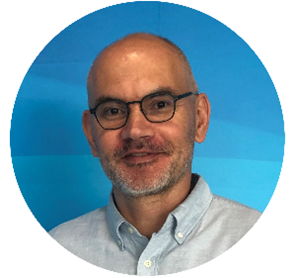 | Speaker: Jasper Van Loo Jasper Van Loo is coordinator in Cedefop’s department for VET and Skills. Jasper oversees the labour market and skills analysis work of the agency and coordinates the work of two teams. He is also a member of the skills intelligence and foresight team and he has been driving efforts to develop the next generation skills intelligence Europe needs to shape an inclusive twin digital and green transition via skills. Before joining Cedefop in 2007, Jasper worked for the Research Centre for Education and the Labour Market (ROA) in The Netherlands. He has a master degree in quantitative and general economics from Maastricht University and holds a PhD in Social Sciences from Utrecht University. |
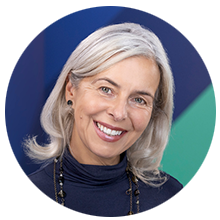 | Moderator: Mary McCaughey Mary McCaughey is Head of Information and Communication in Eurofound. A graduate of Trinity College, Dublin and the College of Europe, Bruges, she started work in Brussels with Europolitics and the Wall Street Journal Europe. She worked with the Association of European Parliamentarians with Africa (AWEPA) in South Africa during the country’s transition to democracy, and in 1998 she took up the post of spokesperson with the Delegation of the European Union in Pretoria, heading up its press and information department during the negotiation of the EU–South Africa free trade agreement. Following the end of the Kosovo War, she worked as a communications consultant for the European Agency for Reconstruction in Serbia. She took up the post of Editor-in-Chief in Eurofound in 2003. |
Pilt ©: Ekaterina Pokrovsky/Adobe Stock
Päevakord
Seeria: Eurofound LIVE events
In Eurofound LIVE events, our researchers and external experts explore key topics on the EU social agenda. These dynamic discussions provide fresh insights and foster meaningful dialogue on issues that matter.
Watch the webinar - Eurofound LIVE: Is Europe's green transition in jeopardy?

Watch the webinar - Eurofound LIVE - Bridging the rural–urban divide in Europe: upgrading the European Union convergence machine

Watch the webinar - Eurofound LIVE: Understanding the socioeconomic impact of the EU's transition to a climate-neutral economy – How to make the Green Deal a reality?

 This website is an official website of the European Union.
All official European Union website addresses are in the europa.eu domain.
See all EU institutions and bodies
Euroopa Elu- ja Töötingimuste Parandamise Fond