&w=3840&q=90)
Katso webinaari - Eurofound LIVE: Miten tekoäly muuttaa työelämää Euroopassa?
11:00 – 12:00 Irlannin paikallinen aika
Online
Eurofound järjestää yhdessä European Centre for the Development of Vocational Trainingin (Cedefop) kanssa interaktiivisen yhteisen webinaarin, jossa tarkastellaan, miten tekoäly muuttaa Euroopan työelämää, ja jossa on suora kysymys-vastaus tiistaina 11. helmikuuta 2025. 11:00–12:00 Irlannin aikaa, klo 12:00–13:00 Keski-Euroopan aikaa.
Tapahtuman tausta
Väittely
Tänä vuonna Eurofound ja European Centre for the Development of Vocational Training (Cedefop)opens in new tab juhlivat molemmat 50-vuotisjuhlaansa. Virastojen pitkäikäisyys ja niiden työn vaikutus todistavat näyttöön perustuvan tutkimuksen merkityksestä työmarkkinoiden muutokseen sopeutumisessa ja talouskehityksen vauhdittamisessa.
Tuo erikoistuminen ja näyttöön perustuva lähestymistapa ovat nyt enemmän kuin koskaan tarpeen nykyisten työmarkkinoiden ja työelämän nopeiden muutosten ratkaisemiseksi. Uudet teknologiat vaikuttavat syvästi työelämämme eri osa-alueisiin. Niillä on potentiaalia lisätä tehokkuutta, vähentää riskejä ja parantaa työn laatua. Euroopan on hyödynnettävä niitä parantaakseen työelämäänsä sekä säilyttääkseen kilpailuetunsa.
Tekoäly (AI) on tämän muutoksen eturintamassa. Sen valtavan voiton ja edistyksen potentiaalin lisäksi se on tuonut mukanaan haasteita, mukaan lukien huoli keskitasoisten ja matalasti koulutettujen työntekijöiden työpaikkojen tuhoutumisesta. Tekoäly muuttaa tehtäviä ja taitotarpeita laajasti, ja lisää on tehtävä, jotta voidaan kaventaa kuilu tekoälyyn liittyvien uusien tieto- ja taitotarpeiden sekä siihen kouluttautuvien työntekijöiden pienen osuuden välillä. Liiketoimintaan liittyy myös merkittäviä vaikutuksia, ja pk-yritykset saattavat menettää asemansa suuremmille yrityksille, jotka voivat investoida enemmän tekoälyn kehitykseen ja käyttöönottoon.
Tässä erityisessä #Eurofound50 webinaarissa Mary McCaughey , Eurofoundin tieto- ja viestintäjohtaja, keskustelee Dragoș Adăscălițein, Eurofoundin tutkimusjohtajan, ja Jasper Van Loon, Cedefop-osaston koordinaattorin, kanssa siitä, miten tekoäly jo muuttaa työelämää Euroopassa ja mitä on tehtävä sen valtavan potentiaalin hyödyntämiseksi samalla kun suojellaan niitä, jotka riskeeraavat jäävän jälkeen.
Katso video
&w=3840&q=100)
This video is hosted by a third party, YouTube.
By clicking on the button to play the video you accept their terms and conditions .
Puhujat
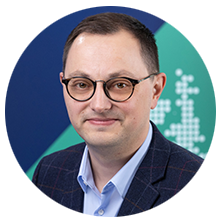 | Speaker: Dragoș Adăscăliței Dragoș Adăscăliței is a research officer in the Employment unit at Eurofound. His current research focuses on topics related to the future of work, including the impact of artificial intelligence on jobs, the consequences of automation for employment and regulatory issues surrounding the platform economy. He is also a regular contributor to comparative projects monitoring structural changes in European labour markets. Prior to joining Eurofound, he was a lecturer in Employment Relations at the University of Sheffield, Management School. He holds an MA in Political Science from Central European University and a PhD in Sociology from the University of Mannheim. |
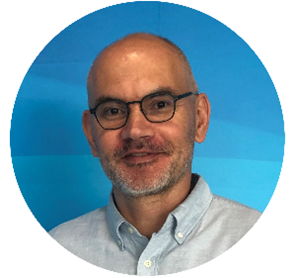 | Speaker: Jasper Van Loo Jasper Van Loo is coordinator in Cedefop’s department for VET and Skills. Jasper oversees the labour market and skills analysis work of the agency and coordinates the work of two teams. He is also a member of the skills intelligence and foresight team and he has been driving efforts to develop the next generation skills intelligence Europe needs to shape an inclusive twin digital and green transition via skills. Before joining Cedefop in 2007, Jasper worked for the Research Centre for Education and the Labour Market (ROA) in The Netherlands. He has a master degree in quantitative and general economics from Maastricht University and holds a PhD in Social Sciences from Utrecht University. |
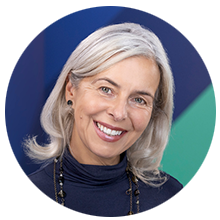 | Moderator: Mary McCaughey Mary McCaughey is Head of Information and Communication in Eurofound. A graduate of Trinity College, Dublin and the College of Europe, Bruges, she started work in Brussels with Europolitics and the Wall Street Journal Europe. She worked with the Association of European Parliamentarians with Africa (AWEPA) in South Africa during the country’s transition to democracy, and in 1998 she took up the post of spokesperson with the Delegation of the European Union in Pretoria, heading up its press and information department during the negotiation of the EU–South Africa free trade agreement. Following the end of the Kosovo War, she worked as a communications consultant for the European Agency for Reconstruction in Serbia. She took up the post of Editor-in-Chief in Eurofound in 2003. |
Kuva ©: Ekaterina Pokrovsky/Adobe Stock
Ohjelma
Sarja: Eurofound LIVE events
In Eurofound LIVE events, our researchers and external experts explore key topics on the EU social agenda. These dynamic discussions provide fresh insights and foster meaningful dialogue on issues that matter.
Watch the webinar - Eurofound LIVE: Is Europe's green transition in jeopardy?

Watch the webinar - Eurofound LIVE - Bridging the rural–urban divide in Europe: upgrading the European Union convergence machine

Watch the webinar - Eurofound LIVE: Understanding the socioeconomic impact of the EU's transition to a climate-neutral economy – How to make the Green Deal a reality?

 This website is an official website of the European Union.
All official European Union website addresses are in the europa.eu domain.
See all EU institutions and bodies
Euroopan säätiö elin- ja työolojen parantamiseksi