&w=3840&q=90)
Гледайте уебинара - Eurofound LIVE: Как изкуственият интелект променя света на труда в Европа?
11:00 – 12:00 Местно ирландско време
Online
Eurofound, заедно с Европейския център за развитие на професионалното обучение (Cedefop), организира интерактивен съвместен уебинар, разглеждащ как изкуственият интелект променя света на труда в Европа, с живо сесия с въпроси и отговори във вторник, 11 февруари 2025 г. 11:00 – 12:00 ирландско време, 12:00 - 13:00 централноевропейско време.
Предистория на събитието
Дебатът
Тази година Eurofound и Европейският център за развитие на професионалното обучение (Cedefop)opens in new tab отбелязват своята 50-годишнина. Дълголетието на агенциите и въздействието на тяхната работа са доказателство за значението на изследванията, базирани на доказателства, за адаптация към промените на пазара на труда и стимулиране на икономическото развитие.
Тази специализация и подход, базиран на доказателства, са необходими повече от всякога, за да се справим с бързите промени на пазара на труда и света на труда. Новите технологии оказват дълбоко въздействие върху различни аспекти на нашия работен живот. Те имат потенциала да повишат ефективността, да намалят рисковете и да подобрят качеството на работата. Европа трябва да ги използва, за да подобри работния си живот, както и да запази конкурентното си предимство.
Изкуственият интелект (AI) е в авангарда на тази промяна. Освен огромния си потенциал за печалба и напредък, тя е представлявала предизвикателства, включително опасения за унищожаване на работни места за средно и нискоквалифицирани работници. AI трансформира задачите и нуждите от умения във всички области и трябва да се направи още, за да се намали разликата между новите знания и умения, свързани с AI, и ниския дял на работниците, които се обучават за него. Има и значителни бизнес последици, като МСП може да загубят от по-големите компании, които могат да инвестират повече в разработка и внедряване на AI.
В този специален #Eurofound50 уебинар Мери МакКоги , ръководител на отдел "Информация и комуникации" в Eurofound, разговаря с Драгош Адъскалицеи, изследователски служител на Eurofound, и Джаспър Ван Лоо, координатор на отдел Cedefop, за това как изкуственият интелект вече променя работния живот в Европа и какво трябва да се направи, за да се използва огромният му потенциал, като същевременно се защитават онези, които рискуват да бъдат изоставени.
Гледайте видеото
&w=3840&q=100)
This video is hosted by a third party, YouTube.
By clicking on the button to play the video you accept their terms and conditions .
Лектори
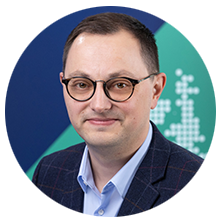 | Speaker: Dragoș Adăscăliței Dragoș Adăscăliței is a research officer in the Employment unit at Eurofound. His current research focuses on topics related to the future of work, including the impact of artificial intelligence on jobs, the consequences of automation for employment and regulatory issues surrounding the platform economy. He is also a regular contributor to comparative projects monitoring structural changes in European labour markets. Prior to joining Eurofound, he was a lecturer in Employment Relations at the University of Sheffield, Management School. He holds an MA in Political Science from Central European University and a PhD in Sociology from the University of Mannheim. |
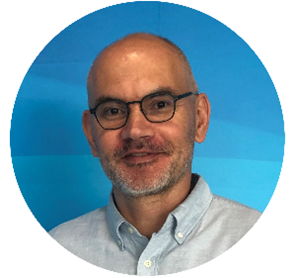 | Speaker: Jasper Van Loo Jasper Van Loo is coordinator in Cedefop’s department for VET and Skills. Jasper oversees the labour market and skills analysis work of the agency and coordinates the work of two teams. He is also a member of the skills intelligence and foresight team and he has been driving efforts to develop the next generation skills intelligence Europe needs to shape an inclusive twin digital and green transition via skills. Before joining Cedefop in 2007, Jasper worked for the Research Centre for Education and the Labour Market (ROA) in The Netherlands. He has a master degree in quantitative and general economics from Maastricht University and holds a PhD in Social Sciences from Utrecht University. |
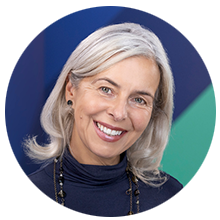 | Moderator: Mary McCaughey Mary McCaughey is Head of Information and Communication in Eurofound. A graduate of Trinity College, Dublin and the College of Europe, Bruges, she started work in Brussels with Europolitics and the Wall Street Journal Europe. She worked with the Association of European Parliamentarians with Africa (AWEPA) in South Africa during the country’s transition to democracy, and in 1998 she took up the post of spokesperson with the Delegation of the European Union in Pretoria, heading up its press and information department during the negotiation of the EU–South Africa free trade agreement. Following the end of the Kosovo War, she worked as a communications consultant for the European Agency for Reconstruction in Serbia. She took up the post of Editor-in-Chief in Eurofound in 2003. |
Изображение ©: Екатерина Покровски/Adobe Stock
Програма
Поредица: Eurofound LIVE events
In Eurofound LIVE events, our researchers and external experts explore key topics on the EU social agenda. These dynamic discussions provide fresh insights and foster meaningful dialogue on issues that matter.
Watch the webinar - Eurofound LIVE: Is Europe's green transition in jeopardy?

Watch the webinar - Eurofound LIVE - Bridging the rural–urban divide in Europe: upgrading the European Union convergence machine

Watch the webinar - Eurofound LIVE: Understanding the socioeconomic impact of the EU's transition to a climate-neutral economy – How to make the Green Deal a reality?

 This website is an official website of the European Union.
All official European Union website addresses are in the europa.eu domain.
See all EU institutions and bodies
Европейска фондация за подобряване на условията на живот и труд