&w=3840&q=90)
Nézze meg a webináriumot – Eurofound LIVE: Hogyan változtatja meg az MI a munkavilágot Európában?
11:00 – 12:00 Írországi helyi idő
Online
Az Eurofound az Európai Szakmai Képzés Fejlesztési Központtal (Cedefop) együttműködve interaktív közös webináriumot szervez, amely azt vizsgálja, hogyan változtatja meg az MI a munkavilágot Európában, élő kérdezz-felelek 2025. február 11-én, kedden. 11:00 – 12:00 Ír idő szerint, 12:00 – 13:00 közép-európai idő szerint.
Esemény háttere
A vita
Idén az Eurofound és az Európai Szakmai Képzés Fejlesztési Központja (Cedefop)opens in new tab egyaránt ünnepli 50. évfordulóját. Az ügynökségek hosszú élete és munkájuk hatása bizonyítja a bizonyítékokon alapuló kutatás fontosságát a munkaerőpiaci változásokhoz való alkalmazkodás és a gazdasági fejlődés előmozdítása szempontjából.
Ez a specializáció és bizonyítékokon alapuló megközelítés most minden eddiginél nagyobb szükség van ahhoz, hogy kezeljük a munkaerőpiac és a munka világának jelenlegi gyors változásait. Az új technológiák mély hatással vannak munkaéletünk különböző területeire. Lehetőségük van hatékonyságnövelni, csökkenteni a kockázatokat és javítani a munkaminőséget. Európának ezeket a munkaélet javítására és versenyelőnyének megőrzésére kell használnia.
A mesterséges intelligencia (MI) élvonalban áll ebben a változásban. A hatalmas profit- és fejlődési potenciálja mellett kihívásokat is jelentett, többek között a közepes és alacsony képzettségű munkavállalók munkahelyeinek megsemmisítése miatti aggályokat. Az MI átalakítja a feladatokat és készségigényeket minden területen, és még többet kell tenni annak érdekében, hogy csökkentsük a szakadékot az MI-hez kapcsolódó új tudás- és készségigények és az alacsony arányú munkavállalók között. Jelentős üzleti következményekkel is járhatnak, és a KKV-k elveszíthetnek a nagyobb vállalkozások számára, amelyek többet fektetnek be az AI fejlesztésébe és bevezetésébe.
Ebben a külön #Eurofound50 webináriumban Mary McCaughey , az Eurofound információs és kommunikációs vezetője beszélget Dragoș Adăscăliței-vel, az Eurofound kutatási tisztviselőjével, valamint Jasper Van Loo-val, a Cedefop osztálykoordinátorral arról, hogyan változtatja meg az MI már most is a munkaéletet Európában, és mit kell tenni annak hatalmas potenciáljának kiaknázása érdekében, miközben megvédjük azokat, akik veszélyeztették a lemaradást.
Nézd meg a videót
&w=3840&q=100)
This video is hosted by a third party, YouTube.
By clicking on the button to play the video you accept their terms and conditions .
Előadók
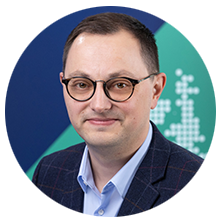 | Speaker: Dragoș Adăscăliței Dragoș Adăscăliței is a research officer in the Employment unit at Eurofound. His current research focuses on topics related to the future of work, including the impact of artificial intelligence on jobs, the consequences of automation for employment and regulatory issues surrounding the platform economy. He is also a regular contributor to comparative projects monitoring structural changes in European labour markets. Prior to joining Eurofound, he was a lecturer in Employment Relations at the University of Sheffield, Management School. He holds an MA in Political Science from Central European University and a PhD in Sociology from the University of Mannheim. |
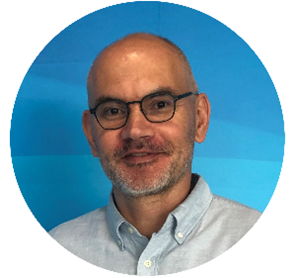 | Speaker: Jasper Van Loo Jasper Van Loo is coordinator in Cedefop’s department for VET and Skills. Jasper oversees the labour market and skills analysis work of the agency and coordinates the work of two teams. He is also a member of the skills intelligence and foresight team and he has been driving efforts to develop the next generation skills intelligence Europe needs to shape an inclusive twin digital and green transition via skills. Before joining Cedefop in 2007, Jasper worked for the Research Centre for Education and the Labour Market (ROA) in The Netherlands. He has a master degree in quantitative and general economics from Maastricht University and holds a PhD in Social Sciences from Utrecht University. |
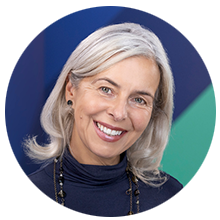 | Moderator: Mary McCaughey Mary McCaughey is Head of Information and Communication in Eurofound. A graduate of Trinity College, Dublin and the College of Europe, Bruges, she started work in Brussels with Europolitics and the Wall Street Journal Europe. She worked with the Association of European Parliamentarians with Africa (AWEPA) in South Africa during the country’s transition to democracy, and in 1998 she took up the post of spokesperson with the Delegation of the European Union in Pretoria, heading up its press and information department during the negotiation of the EU–South Africa free trade agreement. Following the end of the Kosovo War, she worked as a communications consultant for the European Agency for Reconstruction in Serbia. She took up the post of Editor-in-Chief in Eurofound in 2003. |
Kép ©: Ekaterina Pokrovsky/Adobe Stock
Napirend
Sorozat: Eurofound LIVE events
In Eurofound LIVE events, our researchers and external experts explore key topics on the EU social agenda. These dynamic discussions provide fresh insights and foster meaningful dialogue on issues that matter.
Watch the webinar - Eurofound LIVE: Is Europe's green transition in jeopardy?

Watch the webinar - Eurofound LIVE - Bridging the rural–urban divide in Europe: upgrading the European Union convergence machine

Watch the webinar - Eurofound LIVE: Understanding the socioeconomic impact of the EU's transition to a climate-neutral economy – How to make the Green Deal a reality?

 This website is an official website of the European Union.
All official European Union website addresses are in the europa.eu domain.
See all EU institutions and bodies
Európai Alapítvány az Élet- és Munkakörülmények Javításáért