&w=3840&q=90)
Noskatieties vebināru - Eurofound LIVE: Kā mākslīgais intelekts maina darba pasauli Eiropā?
11:00 – 12:00 Īrijas vietējais laiks
Online
Eurofound kopā ar Eiropas Profesionālās izglītības attīstības centru (Cedefop) otrdien, 2025. gada 11. februārī, organizē interaktīvu kopīgu tīmekļsemināru par to, kā mākslīgais intelekts maina darba pasauli Eiropā. 11:00 – 12: 00 pēc Īrijas laika, 12:00 – 13:00 pēc Centrāleiropas laika.
Pasākuma konteksts
Debates
Šogad gan Eurofound, gan Eiropas Profesionālās izglītības attīstības centrs (Cedefop)opens in new tab atzīmē savu 50. gadadienu. Aģentūru ilgmūžība un to darba ietekme liecina par uz pierādījumiem balstītu pētījumu nozīmi, lai pielāgotos darba tirgus izmaiņām un veicinātu ekonomikas attīstību.
Šī specializācija un uz pierādījumiem balstīta pieeja tagad ir vajadzīga vairāk nekā jebkad agrāk, lai risinātu pašreizējās straujās pārmaiņas darba tirgū un darba pasaulē. Jaunajām tehnoloģijām ir būtiska ietekme uz dažādiem mūsu darba dzīves aspektiem. Tiem ir potenciāls veicināt efektivitāti, samazināt riskus un uzlabot darba kvalitāti. Eiropai tie ir jāizmanto, lai uzlabotu darba dzīvi, kā arī saglabātu savu konkurētspēju.
Mākslīgais intelekts (MI) ir šo pārmaiņu priekšgalā. Līdztekus milzīgajam peļņas un progresa potenciālam tas ir radījis problēmas, tostarp bažas par darbavietu iznīcināšanu vidēji kvalificētiem un mazkvalificētiem darbiniekiem. MI pārveido uzdevumus un prasmju vajadzības visās jomās, un ir jādara vairāk, lai novērstu plaisu starp jaunajām zināšanām un prasmēm, kas saistītas ar MI, un zemo to darbinieku īpatsvaru, kuri tam ir apmācīti. Ir arī būtiska ietekme uz uzņēmējdarbību, un MVU var zaudēt lielākiem uzņēmumiem, kas var vairāk ieguldīt MI izstrādē un ieviešanā.
Šajā īpašajā #Eurofound50 tīmekļseminārā Eurofound informācijas un komunikācijas vadītāja Mary McCaughey runā ar Eurofound pētniecības speciālistu Dragoș Adăscăliței un Cedefop departamenta koordinatoru Jasper Van Loo par to, kā MI jau maina darba dzīvi Eiropā un kas jādara, lai izmantotu tā milzīgo potenciālu, vienlaikus aizsargājot tos, kuri riskē palikt novārtā.
Skatīties video
&w=3840&q=100)
This video is hosted by a third party, YouTube.
By clicking on the button to play the video you accept their terms and conditions .
Skaļruņi
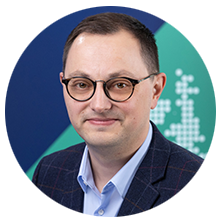 | Speaker: Dragoș Adăscăliței Dragoș Adăscăliței is a research officer in the Employment unit at Eurofound. His current research focuses on topics related to the future of work, including the impact of artificial intelligence on jobs, the consequences of automation for employment and regulatory issues surrounding the platform economy. He is also a regular contributor to comparative projects monitoring structural changes in European labour markets. Prior to joining Eurofound, he was a lecturer in Employment Relations at the University of Sheffield, Management School. He holds an MA in Political Science from Central European University and a PhD in Sociology from the University of Mannheim. |
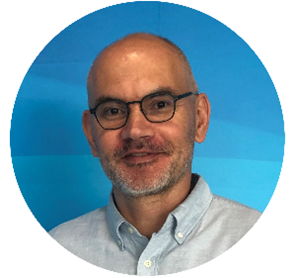 | Speaker: Jasper Van Loo Jasper Van Loo is coordinator in Cedefop’s department for VET and Skills. Jasper oversees the labour market and skills analysis work of the agency and coordinates the work of two teams. He is also a member of the skills intelligence and foresight team and he has been driving efforts to develop the next generation skills intelligence Europe needs to shape an inclusive twin digital and green transition via skills. Before joining Cedefop in 2007, Jasper worked for the Research Centre for Education and the Labour Market (ROA) in The Netherlands. He has a master degree in quantitative and general economics from Maastricht University and holds a PhD in Social Sciences from Utrecht University. |
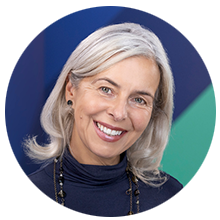 | Moderator: Mary McCaughey Mary McCaughey is Head of Information and Communication in Eurofound. A graduate of Trinity College, Dublin and the College of Europe, Bruges, she started work in Brussels with Europolitics and the Wall Street Journal Europe. She worked with the Association of European Parliamentarians with Africa (AWEPA) in South Africa during the country’s transition to democracy, and in 1998 she took up the post of spokesperson with the Delegation of the European Union in Pretoria, heading up its press and information department during the negotiation of the EU–South Africa free trade agreement. Following the end of the Kosovo War, she worked as a communications consultant for the European Agency for Reconstruction in Serbia. She took up the post of Editor-in-Chief in Eurofound in 2003. |
Attēls: © Jekaterina Pokrovska/Adobe Stock
Darba kārtība
Sērija: Eurofound LIVE events
In Eurofound LIVE events, our researchers and external experts explore key topics on the EU social agenda. These dynamic discussions provide fresh insights and foster meaningful dialogue on issues that matter.
Watch the webinar - Eurofound LIVE: Is Europe's green transition in jeopardy?

Watch the webinar - Eurofound LIVE - Bridging the rural–urban divide in Europe: upgrading the European Union convergence machine

Watch the webinar - Eurofound LIVE: Understanding the socioeconomic impact of the EU's transition to a climate-neutral economy – How to make the Green Deal a reality?

 This website is an official website of the European Union.
All official European Union website addresses are in the europa.eu domain.
See all EU institutions and bodies
Eiropas fonds dzīves un darba apstākļu uzlabošanai