PDF document
Ez az oldal jelenleg nem érhető el teljes egészében a kiválasztott nyelven. Kérjük, váltson az angol változatra, vagy tekintse meg az Eurofound nyelvi szabályzatát.
&w=3840&q=90)
Virtual Visit
Online esemény
Közös esemény
Megjelent: 13 January 2026Virtual Visit to Estonia - Job quality a cornerstone for long-term labour market competitiveness
Mikor?
Thursday, 15 January 2026
Időpont
13:00 – 14:00 Estonian time
Esemény típusa
Online
Szervező
Eurofound in collaboration with Eurofound’s Estonian Board Members and national correspondent in Estonia
As part of our Virtual Visits initiative, Eurofound organised an exclusive online interactive webinar with its experts on ‘Job quality - a cornerstone for long-term labour market competitiveness’ on Thursday, 15 January 2026, 13.00-14.00 (Estonian time).
Esemény háttere
This event took place in the context of Eurofound’s ongoing efforts with key stakeholders at the national level to ensure widespread dissemination and dialogue on our research findings.
Event overview
Job quality is a cornerstone of Estonia’s economic competitiveness and long-term labour market strategy. Quality jobs offering fair wages, good working conditions, learning opportunities and work–life balance are essential for boosting participation, supporting longer and healthier careers, and raising productivity.
Estonia’s productivity growth has slowed compared to the European Union average. To address this, the government aims to raise labour productivity to 110% of the EU average by 2035. Improving job quality is key to achieving this goal.
In today’s rapidly changing economy, shaped by automation and artificial intelligence, robust job quality helps workers adapt, develop new skills and maintain well-being. Reliable evidence on job quality is critical for shaping effective labour policies.
This event incorporated new, interesting and country-specific data demonstrating how job quality is crucial for higher labour force participation, higher well-being and increased economic performance. Job quality is also a key component in making work sustainable and enabling workers to stay motivated to remain in work for longer.
Particular attention was paid to measures to improve job quality across age cohorts (young and older workers), address the unequal division of care between men and women, and assess the impact of artificial intelligence on work and employment. It also explored how to enhance the attractiveness of sectors and occupations facing labour shortages, including those deemed essential to Estonia’s competitiveness, such as health and social services, ICT, education and manufacturing.
This event took place in collaboration with Eurofound’s Estonian Board Members and with its national correspondent in Estonia.
ㅤ
The presentation is available for download below.
ㅤ
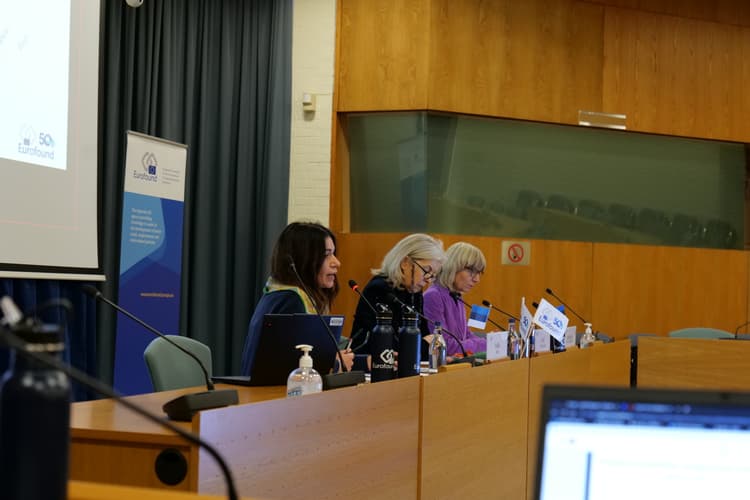
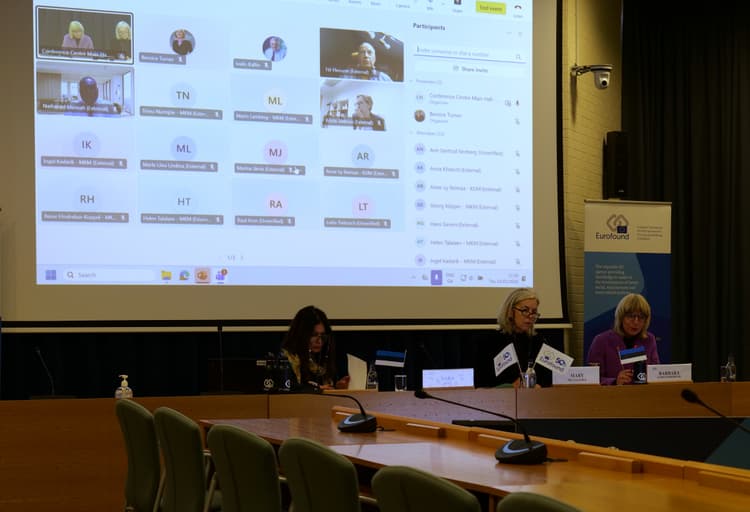
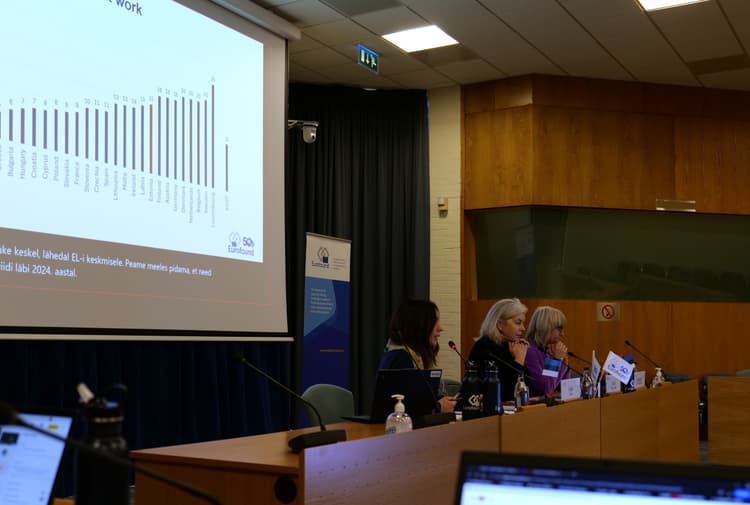
Image © Per Swantesson/Stocksy/Adobe Stock
Napirend
Contact
For any queries about the #Virtual Visits, please contact Bernice Turner:
Bernice Turner
Communication OfficerInformation and Communication
No additional information available.
Eurofound speakers
Barbara Gerstenberger
Head of UnitWorking life research
Barbara Gerstenberger az Eurofound Munka Élet Osztályának vezetője. Ebben a szerepkörben koordinálja az európai munkakörülmény-felmérés alapján az európai munkahelyek minőségét vizsgáló kutatócsoportokat, és általános felelősséggel tartozik a Munka Életének Európai Megfigyelőközpontjáért és az uniós munkaügyi kapcsolatok kutatásáért. 2001-ben csatlakozott az Eurofoundhoz az akkor újonnan létrehozott Európai Változásfigyelő Központ (EMCC) kutatási vezetőjeként. 2007-ben az Eurofound Információs és Kommunikációs Osztályához került a kommunikációs termékek vezetőjeként, majd 2011-ben kinevezték az igazgatóság koordinátorává. Korábban vezető kutatóként dolgozott az Európai Fémmunkások Szövetségénél Brüsszelben. A Hamburgi Egyetemen politológia szakon végzett, a Harvard Egyetem Kennedy School of Government-jén szerzett közigazgatási mesterdiplomát.
Sara Riso
Senior research managerWorking life research
Sara Riso 2006-ban csatlakozott az Eurofoundhoz, és jelenleg vezető kutatómenedzser a Working Life egységben. Kutatási projektekben vesz részt, amelyek a digitalizációra és a munkakörülményekre fókuszálnak. Az Eurofoundhoz csatlakozás előtt Sara kutatási projekteket vezetett nagy brüsszeli európai szervezetek és hálózatok számára. Tudományos háttere pszichológia, kommunikáció és nyelvek területén van. Fő kutatási érdeklődése az új munkahelyi stresszforrások feltárása, amelyek a munka fokozódó digitalizációjából fakadnak, a szervezeti gyakorlatok fejlődéséből és a változásmenedzsment stratégiákból, amelyek a digitalizáció által jelentett kihívások kezelésére a modern munkakörnyezetekben.
Ivailo Kalfin
Executive DirectorDirectorate
Ivailo Kalfin 2021. június 1-jén csatlakozott az Eurofoundhoz ügyvezető igazgatóként. Kalfin úr szakértelme számos területet lefed, a munkaerőpiac és a szociálpolitika dinamikájától kezdve a globális politikai trendekig, az EU-ig és a költségvetésig, valamint a digitális átalakulásig. Az Eurofoundnál betöltött szerepének öt fő prioritását vázolta fel: az európai zöld és digitális átállás általános érvényesítésének támogatása; a szociális jogok európai pillérére vonatkozó cselekvési terv végrehajtásának kiegészítése tényeken alapuló kutatással; fokozott együttműködés a nemzetközi szervezetekkel és külső partnerekkel, valamint az európai szomszédságpolitika országainak nagyobb elérése; az ügynökség hatáskörébe tartozó szociális partnerek kapacitásának növelésének és bővítésének támogatása; az Eurofound ismertségének növelése a legfontosabb érdekelt felek körében.
Mary McCaughey
Head of UnitInformation and Communication
Mary McCaughey az Eurofound információs és kommunikációs vezetője. A dublini Trinity College-ban és a bruges-i College of Europe-ban végzett, majd Brüsszelben kezdett dolgozni az Europolitics-nál és a Wall Street Journal Europe-nál. Az ország demokráciába való átmenete során az Európai Parlamenti Képviselők Szövetsége Afrikával (AWEPA) dolgozott Dél-Afrikában, 1998-ban pedig az Európai Unió pretoriai küldöttségének szóvivőjeként dolgozott, és az EU–Dél-Afrika szabadkereskedelmi megállapodásról szóló tárgyalások során a sajtó- és tájékoztatási osztályt vezette. A koszovói háború befejezése után kommunikációs tanácsadóként dolgozott az Európai Újjáépítési Ügynökségnél Szerbiában. 2003-ban foglalta el az Eurofound főszerkesztői posztját.
Sorozat: Virtual Visits
Hosted online and tailored to individual countries, Virtual Visits offer a unique opportunity to engage directly with Eurofound researchers. The sessions provide insights into current developments, explore the latest findings and facilitate discussion on topics of national relevance.
Online esemény
Saját esemény
Virtuális látogatás Görögországba: Minimálbér – Mi a következő lépés?
Bemutató diák most elérhetők!
DátumTuesday, 30 June 2026
HelyszínOnline

Ez az esemény már lezajlott
Online esemény
Saját esemény
Virtuális látogatás Franciaországba – Munkahelyminőség és munkaerőhiány – friss eredmények az Európai Munkakörülmények Felméréséből
DátumWednesday, 29 April 2026
HelyszínOnline
&w=3840&q=75)
Online esemény
Külső esemény
Virtual Visit to Slovakia - The importance of job quality as a key driver in tackling labour shortages
DátumMonday, 6 October 2025
Időpont10:30h‒11:30h (Írországi helyi idő)
HelyszínOnline
&w=3840&q=75)
Online esemény
Közös esemény
Virtual Visit to Finland - Technologies at work: How prevalent are they and what role do they play?
DátumMonday, 26 May 2025
Időpont14:00h‒15:30h (Írországi helyi idő)
Időpont14:00 (Europe/Helsinki)
HelyszínOnline

Online esemény
Közös esemény
Virtual Visit to Portugal - Measures to tackle labour shortages and the importance of job quality
DátumWednesday, 18 December 2024
Időpont12:30h‒13:30h (Írországi helyi idő)
Időpont12:30 (Europe/Lisbon)
HelyszínOnline

Online esemény
Közös esemény
Virtual Visit to Belgium - Job quality: a key driver for increasing labour force participation
DátumTuesday, 26 November 2024
Időpont11:30h‒12:30h (Írországi helyi idő)
Időpont11:30 (Europe/Brussels)
HelyszínOnline

Online esemény
Közös esemény
Virtual Visit to Germany - Measures to tackle labour shortages and the significance of job quality
DátumMonday, 18 November 2024
Időpont11:30h‒12:30h (Írországi helyi idő)
Időpont11:30 (Europe/Berlin)
HelyszínOnline

Online esemény
Közös esemény
Virtual Visit to Austria - Measures to tackle labour shortages and the importance of job quality
DátumMonday, 16 September 2024
Időpont11:00h‒12:00h (Írországi helyi idő)
Időpont11:00 (Europe/Vienna)
HelyszínOnline

Online esemény
Közös esemény
Virtual Visit to Cyprus - Labour shortages: Tailoring interventions for different drivers of shortages
DátumWednesday, 31 July 2024
Időpont09:30h‒10:30h (Írországi helyi idő)
HelyszínOnline

Online esemény
Közös esemény
Virtual Visit to Croatia - Social policies to bolster adequate and affordable housing
DátumTuesday, 30 April 2024
Időpont10:30h‒11:30h (Írországi helyi idő)
HelyszínOnline

Online esemény
Közös esemény
Virtual Visit to Romania - Towards adequate minimum wages and strengthening of collective bargaining
DátumFriday, 26 April 2024
Időpont10:30h‒11:30h (Írországi helyi idő)
HelyszínOnline

Online esemény
Közös esemény
Virtual Visit to Luxembourg - Labour shortages: National policy and company approaches to addressing shortages
DátumThursday, 25 April 2024
Időpont11:30h‒12:30h (Írországi helyi idő)
HelyszínOnline



